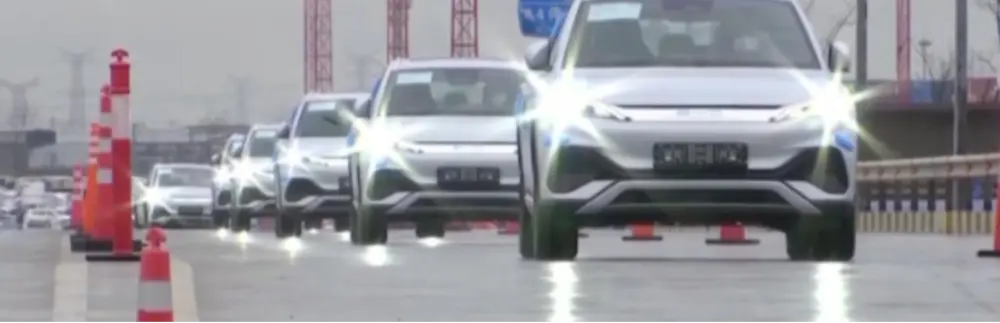
As a Shanghai-based automotive market analyst tracking the global expansion of Chinese electric vehicles, I have watched Chinese OEMs dazzle Western buyers with aggressive pricing and high-end tech specs. However, a major financial roadblock has emerged on the autobahns of Europe: Chinese EV residual value in Germany is depreciating at a rate significantly higher than the industry average. While vehicles like the BYD Atto 3 or MG4 present an attractive upfront purchase price, their rapid value loss in the secondary market is threatening their viability in the highly competitive European fleet and leasing sectors.
The Leasing Trap: Why Residual Value is a Silent Killer for Chinese OEMs
In mature European automotive markets like Germany, over 60% of new passenger cars are registered through corporate fleets or commercial leasing agreements. For leasing companies, the business model hinges entirely on residual value (RV)—the predicted value of the vehicle at the end of the lease term (typically 3 to 4 years). If a car depreciates faster than expected, the lessor must increase monthly lease payments to cover the shortfall.
Because Chinese EVs lack historical sales data, European insurers and leasing giants like Ayvens (formerly ALD Automotive/LeasePlan) price them with high risk premiums. When residual values plummet, lease rates skyrocket, instantly erasing the initial pricing advantage that brands like BYD, GWM, or Great Wall Motor worked so hard to build.
Comparing the Depreciation: Why Chinese EVs Struggle to Retain Value
The core problem is not the quality of the product—many European reviewers rate Chinese EVs highly for performance and software. Rather, it is a structural failure in the overseas operational lifecycle. The table below highlights the primary drivers behind this depreciation gap:
| Depreciation Driver | The Chinese OEM Challenge | Impact on European Secondary Buyers |
|---|---|---|
| Parts & Logistics | No mature local warehouse networks; parts are shipped directly from China. | Extremely long repair times. Secondary buyers fear being stranded without parts. |
| Product Lifecycles | Hyper-competitive 'China-speed' updates render models outdated in 12-18 months. | Rapid technological obsolescence decreases the appeal of 3-year-old used models. |
| Dealer Partnerships | Fragmented dealer structures and lack of certified used-car programs. | No manufacturer-backed warranties or trade-in security for used buyers. |
1. The Service and Spare Parts Bottleneck
A car is only as good as its repair network. Many German dealers report that simple body repairs on Chinese imports can take weeks or even months due to supply chain lags from Shenzhen or Shanghai. For fleet managers, a vehicle sitting in a shop is a cash drain. This logistics bottleneck severely dampens dealer enthusiasm for trade-ins, forcing down the used market value of Chinese imports.
2. The Curse of 'China-Speed' Innovation
In China, EV makers treat cars like smartphones, releasing major hardware and software updates annually. While this rapid iteration keeps them dominant domestically, it is highly destructive to Chinese EV residual value in conservative Western markets. A German buyer who bought a premium Chinese EV in 2024 may find that the 2026 version features entirely different ADAS sensors and battery architecture, leaving their older model technologically obsolete and nearly impossible to resell at a premium.
Strategic Implications for Western Investors and Legacy OEMs
For Western legacy automakers (such as Volkswagen, BMW, and Stellantis), this depreciation gap offers a temporary defensive moat. Even if a VW ID.4 has higher upfront costs, its stable residual value and established service network make its total cost of ownership (TCO) highly predictable for corporate fleets.
However, Western investors should not underestimate Chinese agility. Leading brands like BYD are already pivoting. Realizing that raw export volume is a dead end without localized lifecycle support, they are investing in European warehouses, establishing local parts hubs, and building dedicated used-car valuation systems. Until these localized supply chains are fully mature, however, high depreciation rates will remain the single biggest financial barrier to China's global EV hegemony.