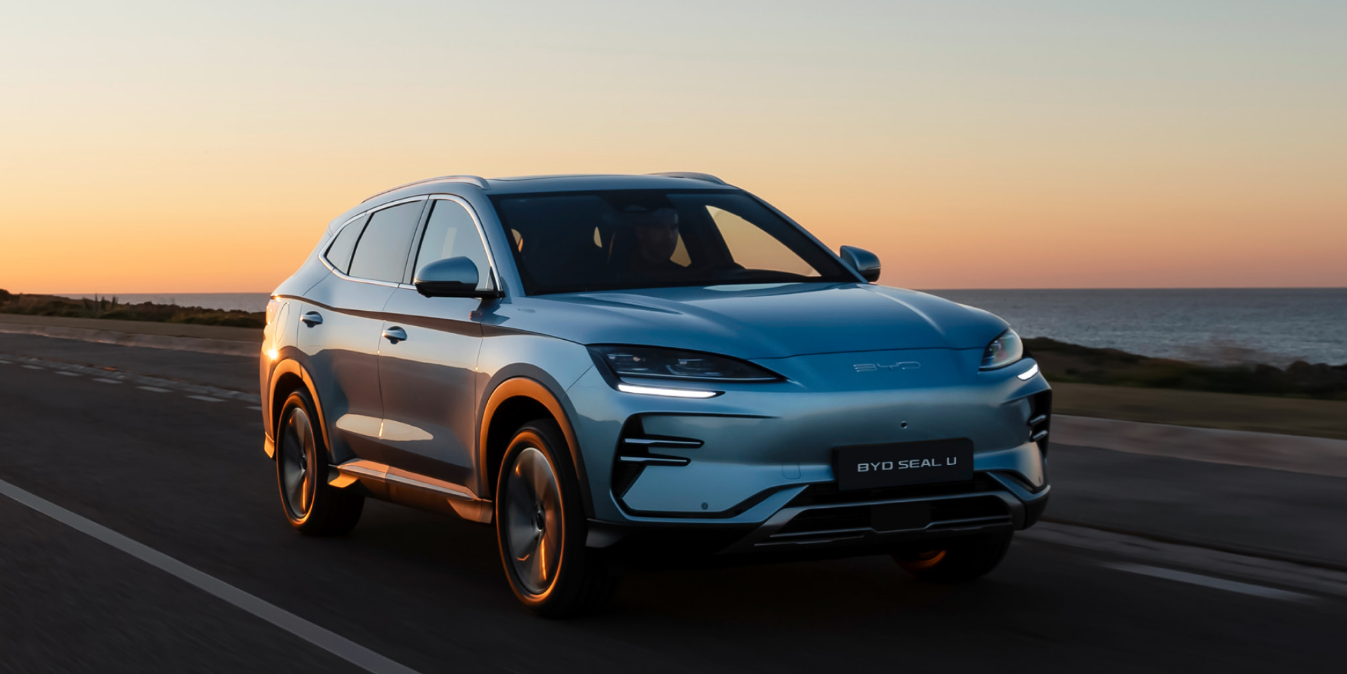
The global automotive landscape has hit an unexpected technological inflection point. For the first time in history, the average global transaction price of battery electric vehicles (BEVs) has dipped below that of hybrid models. At the heart of this disruption is the concept of Chinese EV price parity, powered by unmatched battery supply chain integration and rapid manufacturing scaling that is redefining the competitive parameters of the global transition to clean energy.
The Tipping Point: EV vs. Hybrid Pricing Dynamics
Historically, battery electric vehicles carried a significant premium over hybrid electric vehicles (HEVs) and internal combustion engine (ICE) cars. However, industry analysis reveals that this premium has vanished on a global scale. As a Shanghai-based automotive supply chain analyst, I observe this shift not as an overnight phenomenon, but as the logical culmination of massive capital investments in battery chemistries and localized manufacturing ecosystems.
By leveraging immense domestic scale, Chinese OEMs have successfully pushed unit costs down. This pricing pressure has cascaded globally, dragging down the average cost of pure electric vehicles across emerging markets and European segments alike. Meanwhile, the relative mechanical complexity of hybrid powertrains—which require both high-voltage electrical components and complex combustion systems—has kept their cost structures highly resilient to drastic price drops.
Key Drivers Behind the Cost Realignment
To understand how this pricing shift occurred, we must look at two primary structural drivers: battery chemistry evolution and the optimization of production frameworks.
1. Plummeting Battery Pack Costs
Battery chemistries like Lithium Iron Phosphate (LFP) have experienced steady price declines. LFP chemistry offers a highly durable, cobalt-free alternative that is significantly cheaper to produce than high-nickel alternatives. Chinese supply chains dominate global LFP refining and pack assembly, allowing them to pass these savings directly to consumers and global distribution partners.
2. Strategic Localization and Scaling
Rather than relying solely on exports, leading manufacturers are adopting strategies of localized regional footprint development. By setting up production lines in Southeast Asia, Europe, and Latin America, companies are optimizing logistics, reducing transit times, and ensuring compliance with local industrial policies. This strategic localization acts as a stabilizing force against trade volatility, ensuring that global pricing structures remain competitive.
| Market Segment Metric | Battery Electric Vehicles (BEVs) | Hybrid Vehicles (HEVs/PHEVs) |
|---|---|---|
| Primary Cost Driver | LFP Battery Raw Materials & Cell Manufacturing Scale | Dual-Powertrain Integration (ICE + Electrical System) |
| Global Pricing Trend | Accelerating downward due to supply chain maturity | Stable or slightly increasing due to complex emissions compliance |
| Strategic Focus | Vertically integrated supply chain alliances | Incremental combustion and electrical optimization |
Geopolitical Impacts and Strategic Sourcing Alliances
The achievement of Chinese EV price parity has catalyzed a wave of cross-border collaborations. Rather than viewing the transition as a zero-sum game, international legacy OEMs are increasingly pursuing technology integration and strategic sourcing alliances. By partnering with leading battery manufacturers and utilizing shared platforms, Western automakers can achieve rapid compliance with environmental standards and keep their portfolios cost-competitive.
This cross-border collaboration is critical. Developing localized supply chains in Europe and the Americas takes time; partnering with established suppliers allows global brands to leverage proven technology while contributing to local value creation and employment. This balanced, cooperative approach serves to advance worldwide decarbonization goals while maintaining the strength of traditional automotive brands.