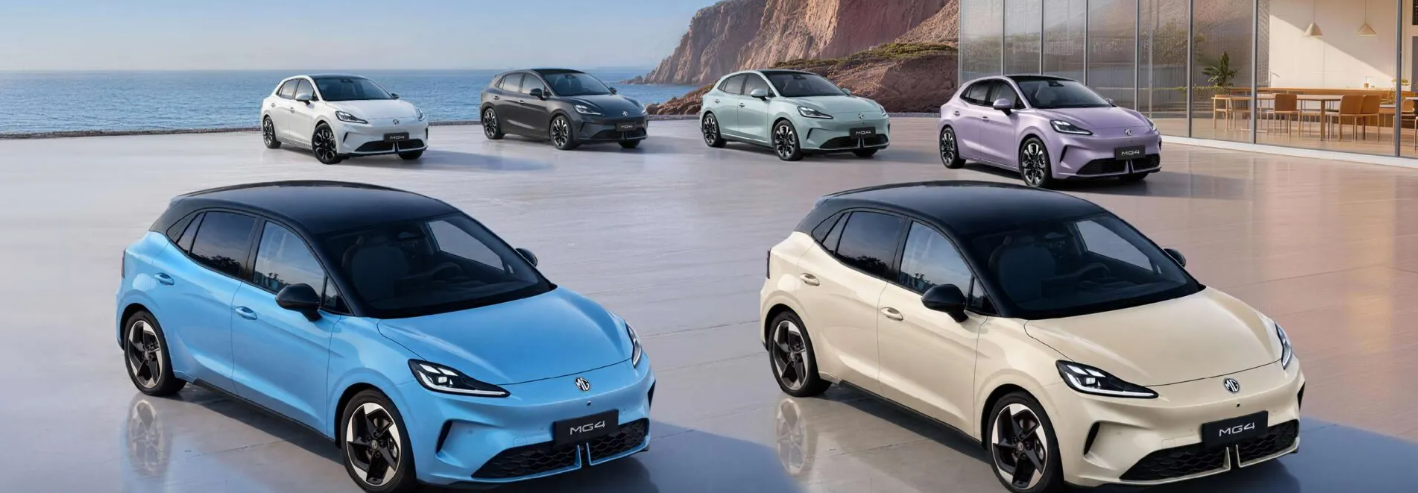
As a senior automotive analyst monitoring global trade flows and electrification shifts, the rapid rise of Chinese brands in the European arena has been the most compelling story of the year. Over the first seven months of 2024, Chinese automakers surpassed their entire sales volume from the previous year, capturing a record 11.2% of the European market. Despite the implementation of provisional countervailing duties by the European Commission, Chinese OEMs are proving resilient by shifting their product mix and accelerating localized operations.
PHEVs and SUVs: The New Engines of Growth
While early entries focused heavily on battery electric vehicles (BEVs), the current wave of growth driving the Chinese EV market share in Europe is increasingly diversified. Plug-in Hybrid Electric Vehicles (PHEVs) and robust sport utility vehicle (SUV) offerings have stepped up to bridge the gap as pure BEV demand experiences a temporary plateau in several European nations.
European consumers, still cautious about charging infrastructure and high upfront EV prices, have found a sweet spot in PHEVs. Chinese OEMs have leveraged their highly mature domestic hybrid supply chains to offer vehicles with exceptional range and competitive pricing. Key players like BYD have introduced advanced dual-motor hybrid powertrains that challenge established European legacy players on fuel efficiency and value.
Strategic Localization Over Raw Exports
With the European Union imposing varying tariffs on Chinese-made electric vehicles, the old playbook of pure manufacturing export is undergoing a rapid evolution. Forward-looking brands are adopting a strategy focused on supply chain compliance and localized regional footprints rather than temporary pricing adjustments.
Instead of viewing trade friction as a barrier, Chinese OEMs are utilizing this period to establish deep roots within the European continent. This strategic shift includes:
- Greenfield Manufacturing Sites: BYD's upcoming passenger car factory in Hungary and Leapmotor's utilization of Stellantis' European production network.
- Strategic Joint Ventures: Cross-border collaborations where Chinese technological innovation is integrated into existing localized infrastructure, fostering regional job creation and economic contribution.
- Local R&D Hubs: Establishing design and engineering centers in Germany, Italy, and the UK to tailor vehicles specifically to local European driving preferences.
| Brand | Primary European Strategy | Localization Focus |
|---|---|---|
| BYD | Multi-powertrain (BEV & PHEV) expansion | Active construction of Hungary plant |
| MG (SAIC) | Volume-focused hatchback and SUV models | Expanding localized dealer and fleet partnerships |
| Chery | Omoda and Jaecoo brand introductions | Joint-venture production in Barcelona, Spain |
The Real Battleground: After-Sales and Residual Value
Selling a car is only the first step; keeping it on the road is what secures long-term market share. Western automotive consumers place premium value on brand trust, roadside assistance, quick spare parts delivery, and predictable residual values. For Chinese newcomers, establishing these after-sales networks is the ultimate metric of maturity.
Rather than relying on direct-to-consumer digital sales models, which have high customer acquisition costs, many Chinese brands are pivoting to traditional franchised dealership networks in Europe. Partnering with established European dealer groups provides instant physical footprints, trusted service bays, and localized customer care that eases consumer anxiety about purchasing from a new entrant.