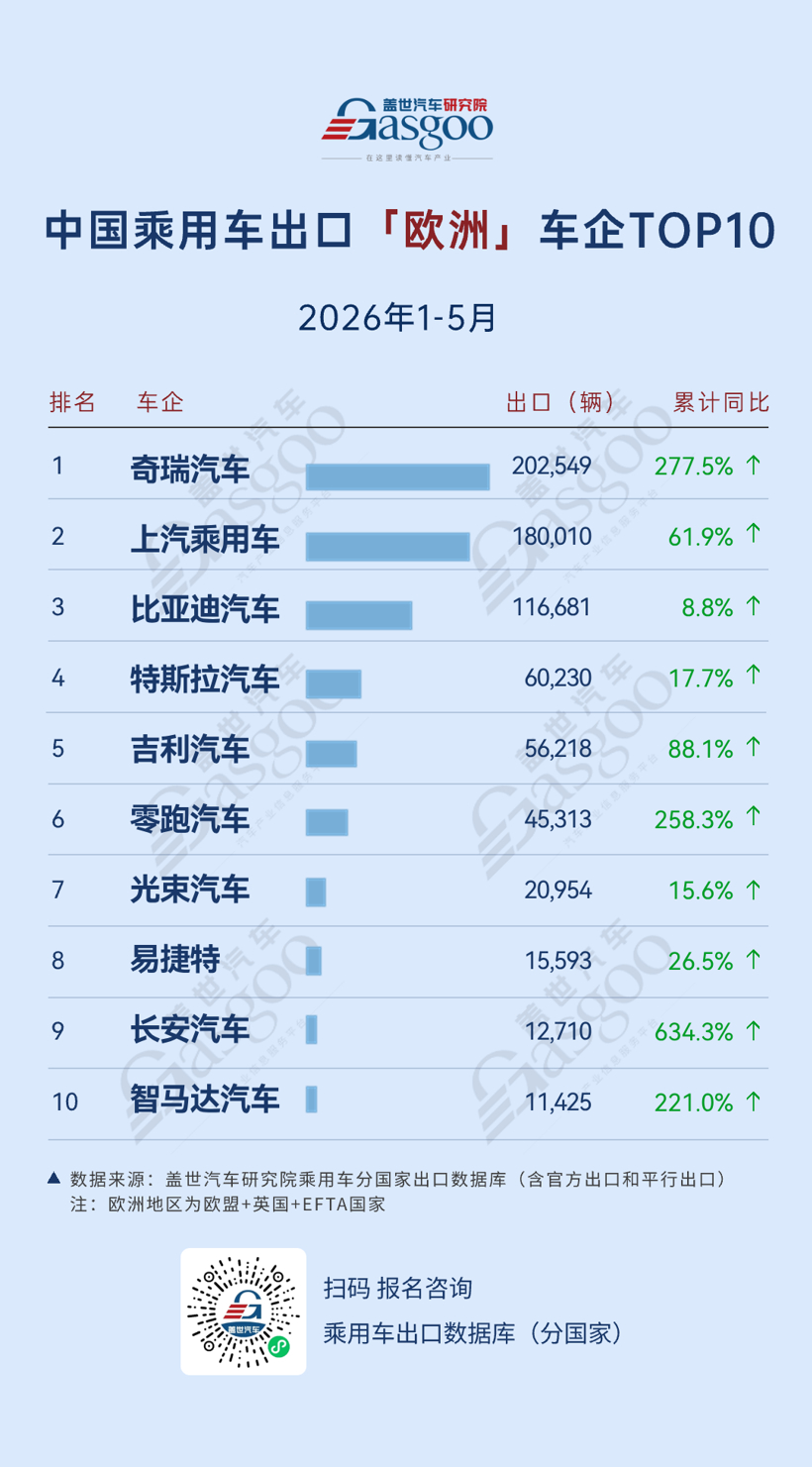
As global automotive dynamics shift rapidly, understanding the latest patterns in Chinese EV global expansion strategies is critical for investors and strategic analysts alike. Newly released trade data from the first five months of 2026 reveals a highly nuanced, multi-layered approach to global market penetration by China's leading automakers.
Divergent Trajectories: Changan's European Leap & BYD's South American Dominance
The period of January to May 2026 marks a watershed moment for Chinese automotive exports, characterized by highly regionalized priorities. Rather than applying a single, uniform export blueprint, manufacturers are tailoring their approaches to match local demand profiles and regulatory frameworks.
Changan's remarkable 634.3% surge in the European theater highlights a growing appetite for highly digitalized, advanced driver assistance systems (ADAS) among tech-forward European consumers. Simultaneously, BYD has reinforced its position in Latin America. Instead of relying solely on raw exports, BYD's success stems from building deep ecosystem roots, providing structured fleet solutions and leveraging specialized lithium-iron-phosphate (LFP) battery technologies tailored for heavy metropolitan use.
Strategic Localization and Trade Adaptability
A major focus of the modern Chinese EV global expansion strategies is a transition from simple shipping models to high-value localization. Facing evolving trade standards in both the EU and North America, Chinese OEMs are focusing heavily on localized regional footprints and supply chain compliance.
Rather than seeking temporary workarounds, these companies are making long-term capital investments in local manufacturing hubs in regions like Central Europe, Southeast Asia, and South America. This strategy ensures strict compliance with regional labor, environmental, and trade laws, cementing their status as stable, long-term industry contributors.
Data Breakdown: Key Automotive Export Vectors (Jan-May 2026)
The following table illustrates the structural division of major Chinese OEMs across key international markets, reflecting their strategic adaptability:
| OEM | Key Region | Growth / Market Position | Core Strategic Focus |
|---|---|---|---|
| Changan | Europe | 634.3% YoY Growth | Tech integration, high-spec ADAS |
| BYD | Latin America | Market Leader | LFP Ecosystems, localized production |
| Chery | Middle East & CIS | Steady volume driver | Internal combustion and hybrid mix |
Collaborative Integration: Empowering the Global Supply Chain
One of the most encouraging trends for global market observers is the rise of cross-border collaborations. Rather than viewing the market as a zero-sum competition, Western legacy OEMs and Chinese technology leaders are increasingly entering strategic sourcing alliances. This collaborative integration blends Western automotive excellence and brand heritage with Chinese innovations in battery chemistry and software-defined vehicle architectures.
For Western investors, these joint alliances represent a massive reduction in development cycle times and a strategic pathway to decarbonization. It establishes a resilient, dual-engine supply chain capable of delivering next-generation electric mobility to consumers globally.