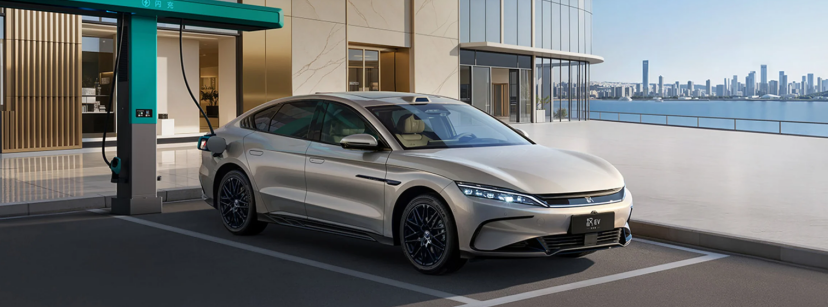
The global automotive landscape is witnessing an unprecedented structural reorganization, and nowhere is this more visible than in the Southern Hemisphere. According to recent trade data, a dramatic surge in Chinese EV exports to Australia has propelled China past Japan to become Australia's primary source of passenger vehicle imports. This shift represents a major geopolitical and macroeconomic milestone, signaling the rapid displacement of legacy Japanese auto giants by hyper-competitive Chinese OEMs.
The Hard Numbers: Tracking China's Aussie Ascent
According to official data released by the Australian government, April passenger vehicle imports from China reached nearly 36,000 units, comfortably eclipsing Japan's 29,000 units. This isn't a temporary blip; it is the culmination of a sustained, high-velocity export campaign. During the first four months of the year, China's total vehicle exports to Australia breached the 100,000-unit threshold, representing a staggering 51% year-on-year increase.
A key catalyst has been the rapid adoption of New Energy Vehicles (NEVs). Of the imported vehicles, more than 40,000 units were pure electric passenger cars. Under pressure from rising global oil prices—exacerbated by geopolitical tensions in the Middle East—Australian consumers are aggressively shifting toward fuel-efficient and electric alternatives.
| Metric (Jan-Apr) | Volume / Share | YoY Change |
|---|---|---|
| Total Chinese Vehicle Imports | 100,000+ units | +51% |
| Chinese EV Imports | 40,000+ units | N/A (Accelerating) |
| EV/Hybrid Market Share (May) | ~50% of new sales | Significant Increase |
Why Australia is the Ultimate Global EV Litmus Test
For automotive analysts and global investment firms, Australia is a critical testbed. Unlike the US or European markets, Australia has no domestic car manufacturing industry to protect. There are no heavy protectionist tariffs sheltering local players. It is an entirely open, highly competitive, right-hand-drive (RHD) market.
Consequently, consumer purchasing patterns in Australia reflect pure, unfiltered market demand. The rapid dominance of Chinese EV exports to Australia prove that when given a level playing field, Western consumers are actively choosing Chinese technology, range, and value over traditional Japanese internal combustion engine (ICE) or hybrid alternatives.
The Fuel Price Catalyst and BYD's Dominance
Geopolitical tensions have pushed gasoline prices to painful highs for Australian suburban commuters. In response, buyers are abandoning ICE vehicles. Data from the Federal Chamber of Automotive Industries (FCAI) shows that electric and hybrid models accounted for nearly 50% of all new car sales in May.
BYD has been the primary beneficiary and driver of this shift. By offering highly advanced, LFP-powered vehicles like the BYD Atto 3, Dolphin, and Seal at highly disruptive price points, BYD has successfully democratized EV ownership in a market that was previously starved of affordable, high-tech EV options.
Strategic Implications for Western OEMs and Investors
This historic shift offers valuable intelligence for global investors looking for market alpha:
- Japanese Legacy Moats are Evaporating: Toyota and Mazda have long treated Australia as their secure profit stronghold. The speed at which China overtook Japan demonstrates how vulnerable legacy portfolios are to aggressive electrification.
- RHD Market Blueprint: China's success in Australia provides a direct playbook for how OEMs like BYD, MG, and Great Wall Motor (GWM) will conquer other right-hand-drive markets, such as the UK, South Africa, and Southeast Asia.
- Supply Chain Resiliency: The 51% YoY jump in volume highlights China's superior shipping and export logistics infrastructure, overcoming global maritime bottlenecks to deliver vehicles to foreign ports at record speeds.
As Western policymakers debate tariffs to keep Chinese vehicles out, Australia offers a clear look at a tariff-free future: a market where Chinese EVs win on technology, pricing, and sheer supply chain capability.