Chinese EV Exports Europe 2026: Strategic Localization Fuels H1 Growth
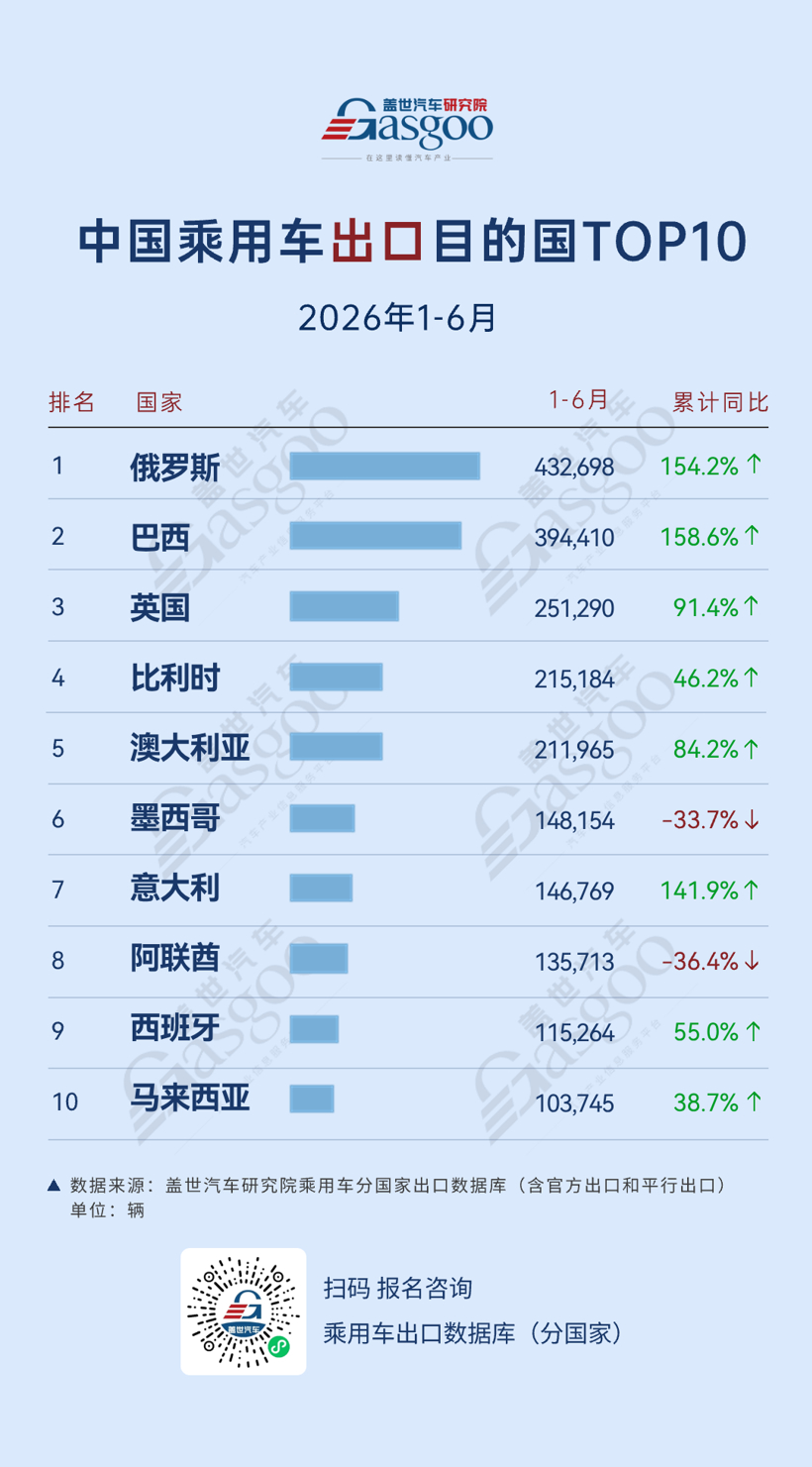
As the global automotive landscape undergoes rapid decarbonization, the first half of 2026 has marked a pivotal moment for Chinese EV exports to Europe. According to recent data from the Gasgoo Research Institute, China's passenger vehicle and New Energy Vehicle (NEV) exports have maintained a strong trajectory of growth, with the European continent serving as a critical battleground for trade adaptability and technological integration.
H1 2026 Export Data: Quantifying the Shift
The first six months of 2026 saw a notable shift in export dynamics. Rather than relying solely on direct exports, leading Chinese OEMs are establishing deeper roots in global markets. The data indicates that Europe has risen as a key destination for high-tech, software-defined NEVs.
| Export Market Segment | H1 2026 Growth Trend (YoY) | Key Strategic Drivers |
|---|---|---|
| NEV Passenger Cars | Double-digit increase | Technology integration & consumer demand for ADAS |
| Traditional ICE / Hybrid | Steady progression | Regional market diversification in Eastern Europe |
Strategic Localization vs. Import Dependencies
The narrative of the Chinese EV sector in Europe is evolving from simple trade transactions to sophisticated localized footprints. Faced with shifting import regulations, brands like BYD, Chery, and Great Wall Motor are focusing heavily on localized regional manufacturing. This approach ensures supply chain compliance and fosters regional economic alignment.
- Local Manufacturing Footprint: Building production facilities within the European Union (e.g., BYD's plant in Hungary) allows OEMs to optimize logistics costs and align with local ESG targets.
- Trade Adaptability: Transitioning from completely built-up (CBU) exports to localized assembly allows firms to maintain price competitiveness while fully respecting regional regulatory frameworks.
Cross-Border Collaboration: The New Industry Standard
A remarkable aspect of the 2026 landscape is the depth of strategic sourcing alliances. Rather than a zero-sum competitive game, Western legacy OEMs and Chinese NEV leaders are engaging in mutually beneficial technology integrations. Strategic partnerships (such as Stellantis' investment in Leapmotor and Volkswagen's ongoing collaboration with Xpeng) demonstrate a global trend toward leveraging specialized supplier expertise to accelerate time-to-market for affordable EVs in Europe.