Chinese EV Export Growth: Strategic Localization and Mid-Year Market Insights
As the global automotive landscape undergoes a rapid structural shift, the first half of the year has delivered crucial data points regarding Chinese EV export growth and global expansion strategies. For Western investors, policy makers, and automotive analysts, tracking these numbers is no longer optional—it is a core requirement for understanding the competitive dynamics of the global transition to electrification. While domestic sales in China show mature consolidation, the real story is unfolding in international markets where key OEMs are scaling operations at unprecedented speeds.
The Mid-Year Scorecard: Analyzing the Export Leaders
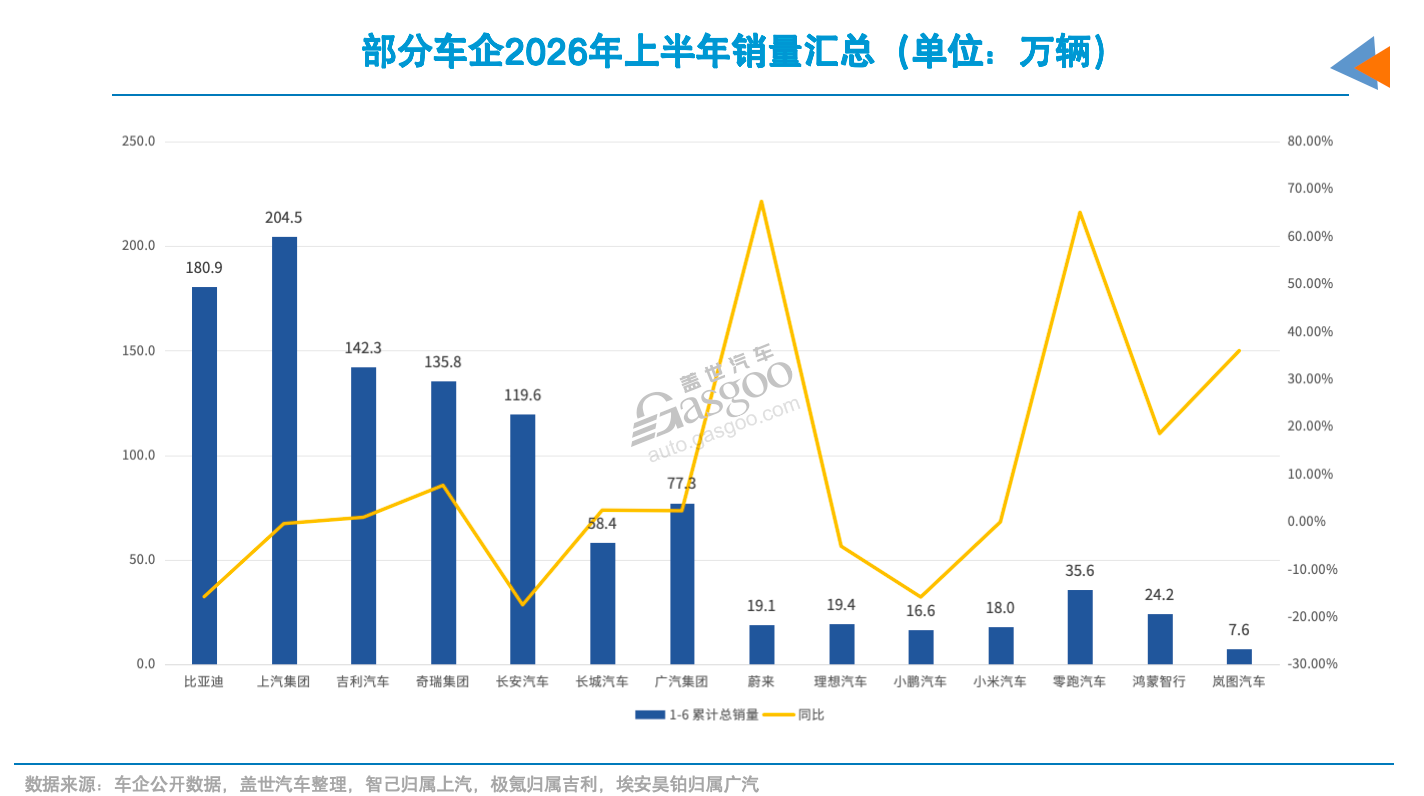
According to the latest data from the China Passenger Car Association (CPCA), the competitive hierarchy among Chinese exporters is crystallizing. State-owned giant SAIC Motor has reclaimed its leading position in overall export volume, leveraging its established global dealer networks and the historic strength of the MG brand. Simultaneously, three major manufacturers have achieved the remarkable feat of doubling their overseas growth rates year-over-year.
This surge in export performance highlights a critical market trend: Chinese automakers are not just competing on price; they are capturing market share through rapid technological cycles and comprehensive product offerings. The growth is particularly pronounced in regions such as Southeast Asia, the Middle East, and Latin America, where consumer demand for feature-rich, affordable electric vehicles continues to rise.
Strategic Localization: Moving Beyond Direct Exporting
A neutral, objective analysis of the current trade environment reveals a significant strategic pivot among leading Chinese OEMs. Rather than relying solely on shipping completely built units (CBUs) from domestic factories, companies like BYD, Chery, and Geely are prioritizing a localized regional footprint. This shift is not about short-term workarounds, but rather a long-term commitment to supply chain compliance, localized manufacturing, and job creation within host nations.
Key elements of this strategic localization include:
- Localized Manufacturing Hubs: Establishing full-scale production facilities in regions like Europe (Hungary), ASEAN (Thailand), and South America (Brazil) to align with regional industrial policies.
- Cross-Border Collaboration: Developing strategic sourcing alliances and technology integration partnerships with local entities to foster trust and mutual economic benefits.
- Supply Chain Integration: Cultivating local tier-1 supplier relationships to ensure high-quality components and long-term supply chain compliance.
Data Analysis: H1 Export Volume & Growth Rates
The table below outlines the estimated H1 export performance for leading Chinese automotive groups, demonstrating the scale of the ongoing international expansion.
| Automotive Group | H1 Export Volume (Est. Units) | YoY Growth Rate | Primary Target Regions |
|---|---|---|---|
| SAIC Motor | 480,000 | +12% | Europe, Latin America, Australia |
| Chery Group | 410,000 | +28% | Eastern Europe, Middle East, Brazil |
| BYD Auto | 203,000 | +150% | ASEAN, Europe, Latin America |
What This Means for Western OEMs and Global Investors
For Western legacy OEMs, the rapid expansion of Chinese brands presents both competitive challenges and collaborative opportunities. Industry leaders are increasingly embracing technology integration and strategic sourcing alliances to leverage the advanced battery supply chains and ADAS software capabilities pioneered by Chinese innovators. This cross-border collaboration is accelerating the overall pace of global transport decarbonization.
From an investment perspective, the metrics clearly show that companies adopting a 'localized regional footprint' approach are best positioned to navigate geopolitical trade shifts. Investors looking for long-term value should focus on OEMs that demonstrate high trade adaptability and a commitment to integrating into the local economic fabric of their target markets.