As a Shanghai-based market analyst tracking the rapid evolution of the domestic automotive sector, I frequently attend major domestic exhibitions like the Chengdu Auto Show. While the glittering displays and packed booths suggest an insatiable appetite for new models, assessing actual Chinese EV consumer demand requires looking past the immediate physical and digital noise. A closer look at current exhibition marketing reveals how easily online metrics can be curated.
The Mechanics of 'Incentivized Buzz' at Domestic Exhibitions
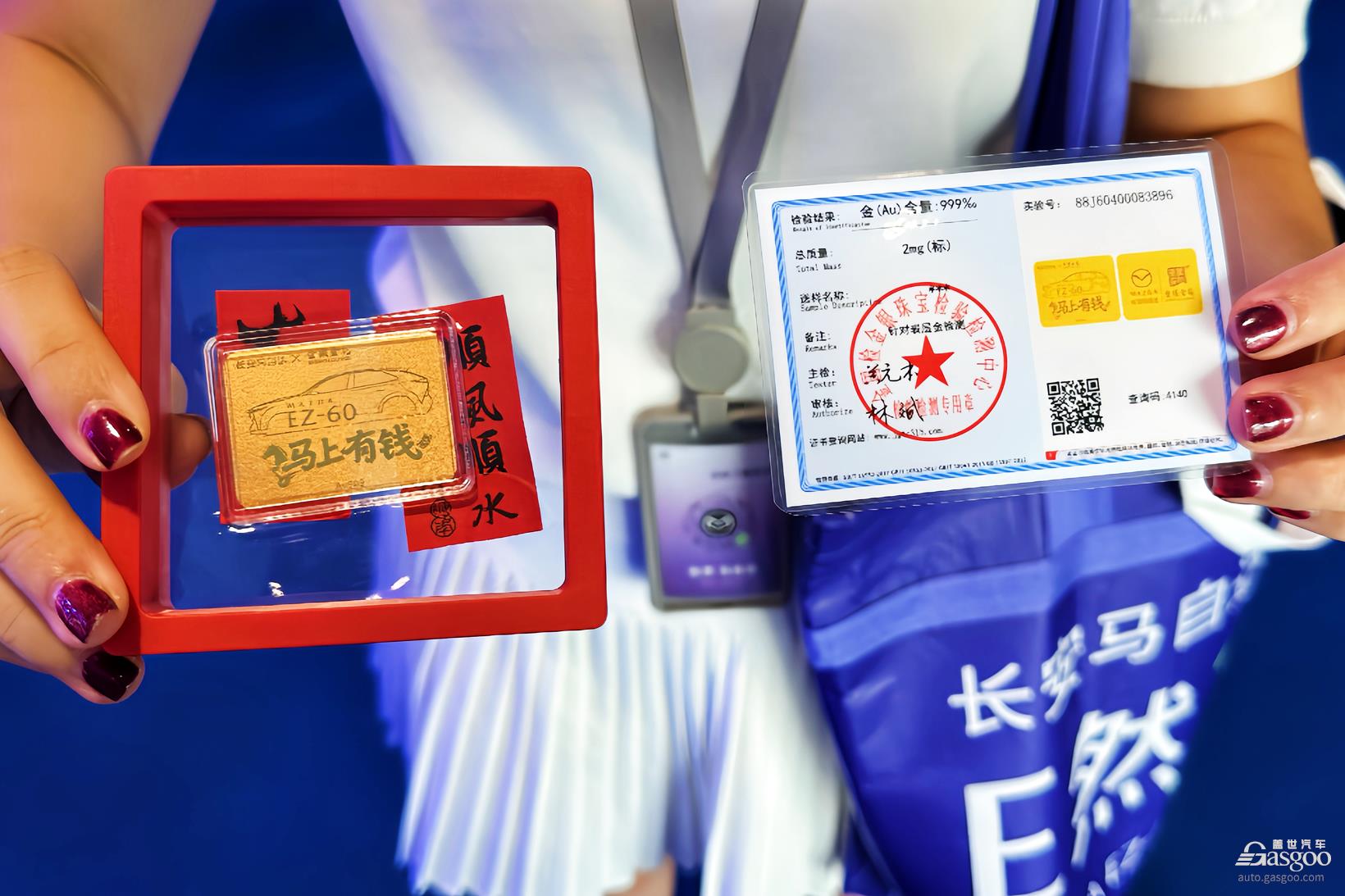
During recent automotive exhibitions, a standard marketing tactic has emerged. To boost visibility on lifestyle and social platforms like Xiaohongshu (often referred to as China's Instagram), brands offer small incentives—ranging from trendy merchandise like Capybara balloons to nominal cash rewards of around 3 RMB (approximately $0.40 USD)—in exchange for a visitor posting a photo with a pre-scripted positive hashtag. This micro-influencer approach turns average attendees into automated marketing nodes, generating thousands of superficial posts within hours.
This localized digital strategy allows brands to trend rapidly, signaling strong consumer interest to casual observers. However, this manufactured volume obscures genuine consumer engagement. For Western analysts and investment firms, treating these trending topics as organic indicators of product market fit or brand loyalty can lead to flawed strategic conclusions.
Why Digital Vanity Metrics Obscure Real Chinese EV Consumer Demand
The reliance on automated or incentivized social media engagement is a natural byproduct of the hyper-competitive domestic landscape. With dozens of active domestic EV brands fighting for survival, showing immediate digital traction is crucial for maintaining investor confidence and brand relevance. However, these tactics create a disconnect between online buzz and actual transaction volume.
- Low-Cost Amplification: For the cost of a few thousand promotional items, a brand can generate tens of thousands of social media impressions, artificially inflating their perceived domestic momentum.
- Skewed Audience Demographics: The visitors participating in these campaigns are often driven by immediate, low-value incentives rather than actual purchase intent, leading to high digital engagement from non-buying demographics.
- Algorithmic Distortion: Platform algorithms favor sudden spikes in localized posting, which pushes these incentivized posts to wider audiences, further distorting the perceived popularity of specific models.
Evaluating the Metrics: Vanity vs. Reality
To assist strategic planners in separating marketing noise from real market traction, the table below highlights how to weigh common exhibition metrics against high-integrity industry data:
| Metric Category | Vanity Metric (Low Reliability) | Core Demand Indicator (High Reliability) | Strategic Action for Analysts |
|---|---|---|---|
| Social Media Presence | Xiaohongshu post volume, trending hashtags, exhibition booth check-ins. | Organic user-generated technical reviews, unsponsored forum sentiment (e.g., Autohome). | Discount incentivized hashtags; focus on sentiment analysis of long-tail technical discussions. |
| Exhibition Traction | Booth foot traffic, promotional gift distribution rates. | On-site test drive bookings, non-refundable deposit/order counts. | Verify corporate order announcements against subsequent monthly registration disclosures. |
| Sales Momentum | Announced 'pre-orders' within 24 hours of launch. | Weekly CATARC (China Automotive Technology and Research Center) insurance registrations. | Rely on insurance data as the gold standard for actual consumer vehicle deliveries. |
Strategic Implications for Global Competitors
For global automakers and institutional investors, understanding these domestic marketing dynamics is critical. Rather than viewing these highly active digital spaces as a sign that Western brands are structurally disadvantaged in consumer engagement, analysts should recognize this as a highly optimized, low-cost localized marketing strategy. Western OEMs operating in China can leverage similar structured digital campaigns while focusing their messaging on long-term vehicle reliability, safety standards, and global service networks to attract high-intent buyers.
Ultimately, the true health of Chinese EV consumer demand is not written in social media feeds, but in the cold, hard registration data of the months that follow these major exhibitions. By maintaining a disciplined analytical framework, international stakeholders can successfully navigate the noise and identify genuine market leaders in the global transition to electrification.