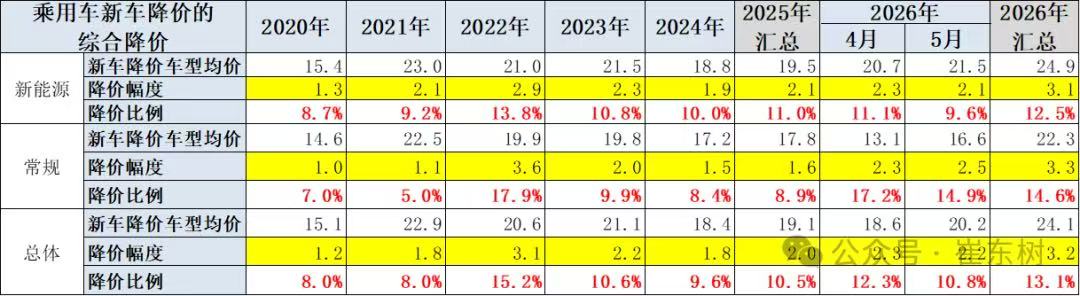
The Chinese automotive market is experiencing a significant price war, with the average price index dropping from 100 in January 2023 to around 75-73, a 25% reduction. This trend, driven by intense competition and market expansion, has profound implications for both domestic and global players.
Impact on the Chinese Automotive Market
Over the past two years, the Chinese automotive market has seen a substantial decline in average prices, driven by a fierce price war. According to recent data, the price index, which was at 100 in January 2023, has now dropped to approximately 75-73, indicating a 25% reduction in prices. This trend is not isolated; it is part of a broader shift in the industry, where the focus has been on expanding market share rather than maintaining profitability.
Market Expansion and Profit Margins
In the last five years, the Chinese automotive industry has experienced unprecedented growth, with domestic brands increasing their market share to 64% and annual exports surpassing 7 million vehicles. However, this expansion has come at a cost. Despite the increase in market share, the continuous price competition has not translated into higher profits. In fact, the net profit margin for the automotive industry has fallen to around 3%, significantly below the national industrial average of 5.4%.
Long-Term Implications for Chinese EV Makers
The current price war and its impact on profit margins have serious long-term implications for Chinese EV makers. As the domestic market growth slows down, and policy incentives and favorable financing conditions diminish, the underlying issues that have been masked by rapid expansion will become more apparent. This could lead to a reevaluation of global expansion strategies and a focus on sustainable business models.
Global OEM Strategies and Market Sustainability
For global OEMs, the price war in China is a double-edged sword. On one hand, it provides an opportunity to gain market share and establish a strong presence in the world's largest automotive market. On the other hand, the low-profit margins and the need for continuous investment in R&D and infrastructure pose significant challenges. Western companies, such as Tesla, Ford, and Volkswagen, must carefully navigate these dynamics to ensure long-term sustainability and competitiveness.
Conclusion
The ongoing price war in the Chinese automotive market is a critical issue that affects not only domestic players but also global OEMs. While it offers short-term opportunities, the long-term financial viability and global expansion strategies of Chinese EV makers are at risk. As the industry moves forward, a balanced approach that prioritizes both market share and profitability will be essential for sustained success.