Is China’s new L2 ADAS standard about to reshape the global EV landscape? The 19th Beijing International Auto Show, which opened on April 24, 2026, is a testament to the rapid advancements in electric vehicle (EV) technology. With a record-breaking 380,000 square meters of exhibition space and 1,451 vehicles on display, including 181 global premieres and 71 concept cars, the event is a showcase of the latest innovations in the industry.
Charging Speeds: A New Benchmark
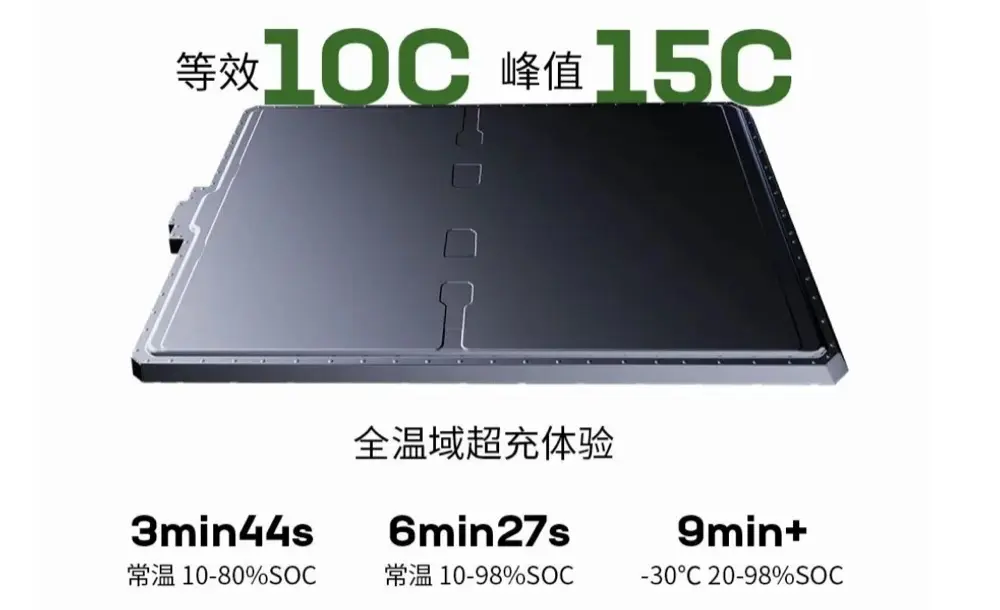
One of the most significant developments at the show is the leap in charging speeds. Both CATL and BYD have unveiled groundbreaking technologies that are pushing the boundaries of what is possible. In March, BYD introduced its second-generation Blade Battery and flash-charging technology, claiming a 10% to 70% charge in just 5 minutes and a 10% to 97% charge in 9 minutes. This was quickly followed by CATL’s ‘Extreme Domain’ Super Technology Day, where they launched five new battery products and a comprehensive charging network. Their third-generation Shenxing ultra-fast charging battery can achieve a 10% to 98% charge in 6 minutes and 27 seconds, with a peak charging rate of 15C, setting a new industry standard.
Solid-State Batteries: The Future is Here
While most solid-state batteries are still in the semi-solid state, major players like CATL, BYD, and CALB are already planning for full-scale production. CATL’s NiuNiu Kirin battery, for instance, uses a semi-solid electrolyte and boasts an energy density of 350Wh/kg, offering a range of up to 1,500 kilometers. This battery is set to be mass-produced and delivered in the second half of 2026, marking a significant milestone in the evolution of EV technology.
ADAS and Vehicle Chips: The Next Frontier
The competition in the EV market is not just about batteries; it’s also about advanced driver-assistance systems (ADAS) and vehicle chips. The 1,000 TOPS computing power breakthrough and the integration of cabin and driving chips are key indicators of the technological prowess of Chinese EV manufacturers. These advancements are critical for Western investors and car buyers, as they signal a shift towards more autonomous and intelligent vehicles.
Why This Matters
-
Global Impact: The rapid development of EV technology in China is setting new standards for the entire industry. Western companies must keep pace or risk being left behind.
-
Investor Opportunities: For investors, the advancements in charging speeds and battery technology present significant opportunities. Companies that can deliver these technologies will likely see substantial growth.
-
Consumer Benefits: Faster charging times and longer ranges mean that EVs are becoming more practical and appealing to a broader audience, potentially accelerating the transition to electric mobility.
For a deeper dive into the implications of these advancements, see our analysis on the future of EV technology.