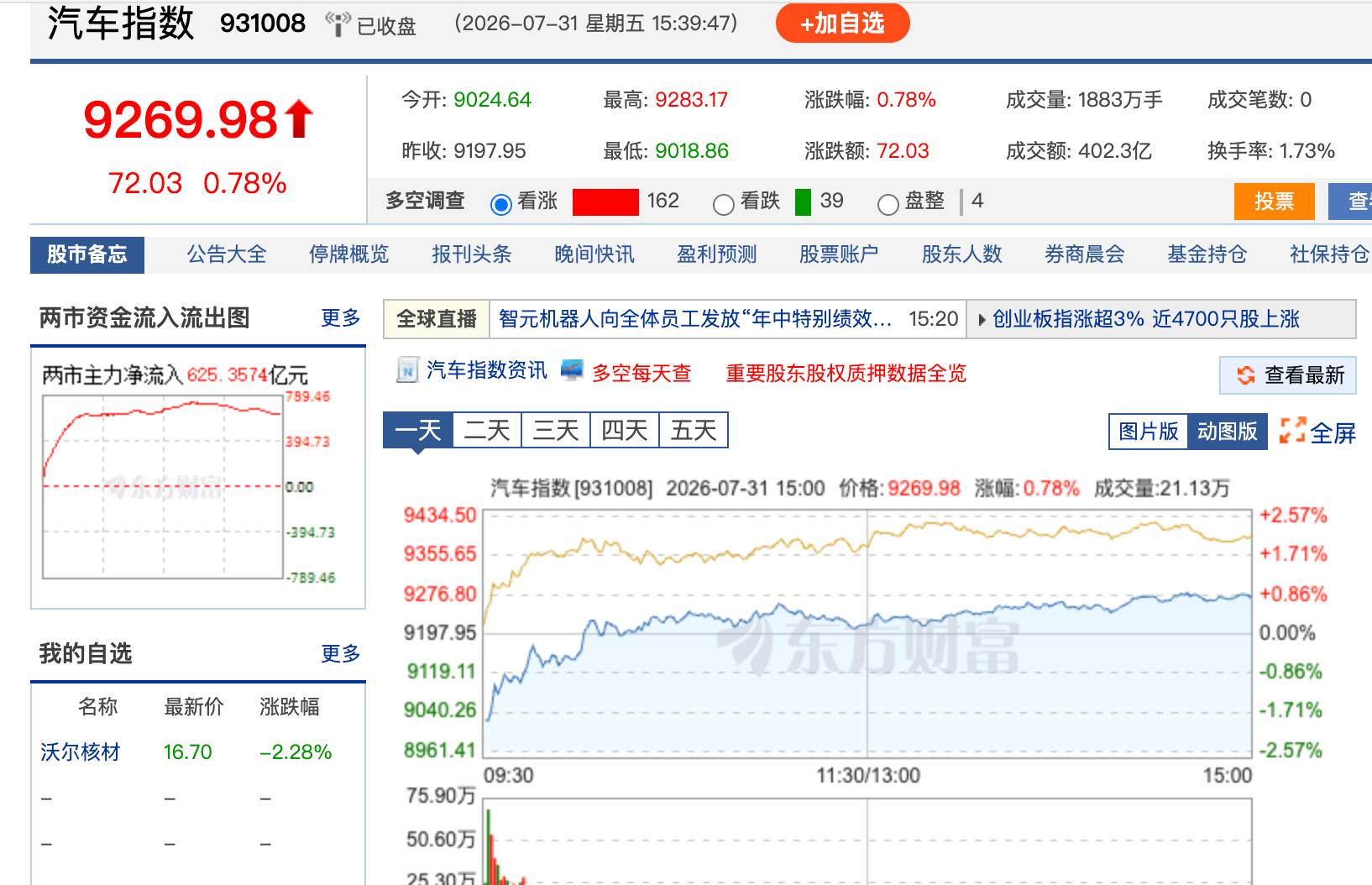
As global asset managers navigate the volatile clean energy transition, reading the latest China EV stock investment signals has become paramount for capturing market alpha. In the second quarter of 2026, Chinese public mutual funds reduced their equity exposure to the domestic automotive sector to its lowest level since 2021. While this capital outflow sounds alarming on the surface, experienced contrarian investors recognize that such absolute institutional capitulation often precedes a powerful structural valuation recovery.
Analyzing the Q2 2026 Capital Exodus
To understand why this is a cyclical turning point rather than a structural decline, we must look at the capital flow dynamics. The steady erosion of institutional positions throughout late 2025 and early 2026 was driven by a relentless domestic price war, rising raw material costs, and temporary margin compression. However, when institutional allocation reaches multi-year lows, the marginal seller is effectively exhausted. This sets a hard floor under current stock valuations.
| Key Metric (Q2 2026) | Current Status / Level | Strategic Implication for Investors |
|---|---|---|
| Institutional Allocation | 5-Year Historical Low | Bearish sentiment is fully priced in; downside is structurally limited. |
| Industry Gross Margins | Stabilizing | Cost optimization from vertical integration is yielding bottom-line results. |
| Export Volume Trend | Upward (Consistent Growth) | Sustained global footprint offsets domestic margin pressures. |
Why the Bear Case is Fully Priced In
Market sentiment has spent the last year digesting negative catalysts, including domestic consumption fatigue, intense local competition, and geopolitical trade adjustments. Any positive fundamental development—such as stabilization in retail average selling prices (ASPs) or accelerated sector consolidation—now acts as a powerful upward catalyst. As weaker, debt-laden startups run out of runway, market share is consolidating into the hands of highly profitable, cash-rich giants.
Strategic Localization Overcomes Global Headwinds
A critical driver of the impending valuation recovery is how leading Chinese OEMs are managing global trade barriers. Rather than engaging in regulatory evasion, top-tier manufacturers are pursuing sophisticated strategic localization. By establishing a localized regional footprint and investing in compliant supply chain networks across Europe, Southeast Asia, and Latin America, these companies are securing long-term export margins. This disciplined approach to cross-border collaboration transforms regulatory challenges into sustainable competitive advantages, rendering them highly resilient long-term assets.
Identifying the Winners of Sector Consolidation
For global investors tracking these China EV stock investment signals, the strategy should shift from broad-market exposure to selective stock picking. The market is transitioning from a fragmented landscape to one dominated by structural winners:
- Vertically Integrated Giants: Companies that control their battery supply chain can withstand prolonged domestic pricing pressures and maintain stable margins.
- Tech-Driven Innovators: Players excelling in advanced driver-assistance systems (ADAS) and smart cabin experiences that command premium brand equity.
- Globalized Operators: OEMs with mature joint ventures and strategic sourcing alliances with global partners, mitigating localized market risks.
As institutional capital begins to flow back into the sector, these high-quality names are poised to experience the sharpest valuation re-ratings, offering early-moving Western investors highly asymmetric risk-reward profiles.