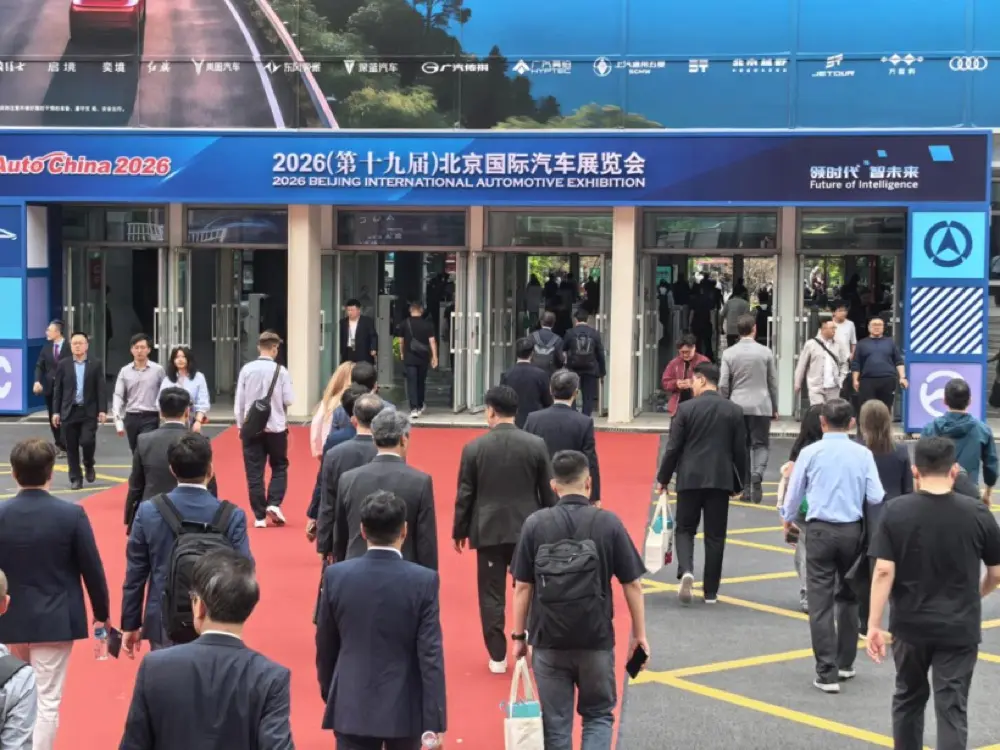
Is the future of the automotive industry in China defined by smart cockpits and end-to-end ADAS? The 2026 Beijing Auto Show suggests a resounding yes. As the global auto market continues to evolve, the Chinese electric vehicle (EV) market is leading the charge towards intelligent driving systems. This shift is not just about adding more technology; it’s a fundamental redefinition of what a car can be.
The Rise of Intelligent Driving at the 2026 Beijing Auto Show
The 2026 Beijing International Auto Show, which kicked off on April 24, has set the stage for a new era in automotive innovation. As one of the few top-tier auto shows globally that still maintains high growth, the Beijing Auto Show is now a key indicator of the global automotive industry’s transformation. Walking through the various exhibition halls, it’s clear that while electrification is now a standard, the true star of the show is intelligent driving.
From Electrification to Intelligence
The transition from electrification to intelligence is not just a technological upgrade but a complete reimagining of the vehicle. Electrification has addressed the basic issues of energy and propulsion, but it’s the advancements in intelligent driving that are redefining how vehicles perceive, decide, act, and interact with their environment. This shift is reshaping the entire value chain of the automotive industry, from product definition to supply chain relationships and user experience.
Key Trends and Technologies
-
Advanced Driver Assistance Systems (ADAS): The focus is on end-to-end autonomous driving algorithms, with significant improvements in chip computing power and the deployment of these algorithms.
-
Smart Cockpits: AI models are being deeply integrated into the cabin, enhancing the user experience and interaction.
-
Chassis Control: The widespread adoption of electronic chassis control systems, improving vehicle handling and safety.
-
Powertrain Innovations: Continued advancements in battery and motor technologies, pushing the boundaries of performance and efficiency.
Why This Matters for Western Investors and Car Buyers
The shift towards intelligent driving in China is not just a local trend; it has global implications. For Western investors, this means understanding the competitive landscape and the potential for collaboration or competition with Chinese tech giants. For car buyers, it means that the next generation of vehicles will offer unprecedented levels of safety, convenience, and connectivity.
Competitive Landscape
Chinese companies like BYD, NIO, and XPeng are at the forefront of this innovation, developing advanced ADAS and smart cockpit solutions. These companies are not only competing with each other but also with established Western brands. The integration of AI and advanced computing into vehicles is creating a new paradigm in the automotive industry, where software and data are as important as hardware.
Global Impact
The advancements in intelligent driving are likely to influence global standards and regulations. As China leads in this area, it may set the pace for the rest of the world. This could mean that Western companies need to adapt quickly to stay competitive, and consumers can expect to see more advanced and intelligent features in their vehicles.
Conclusion
The 2026 Beijing Auto Show is a clear signal that the future of the automotive industry is in intelligent driving. For Western investors and car buyers, this means staying informed and prepared for a rapidly evolving market. The shift from electrification to intelligence is not just a technological change; it’s a fundamental redefinition of the automotive experience.
See our analysis on Electric Vehicle Market Trends for more insights.