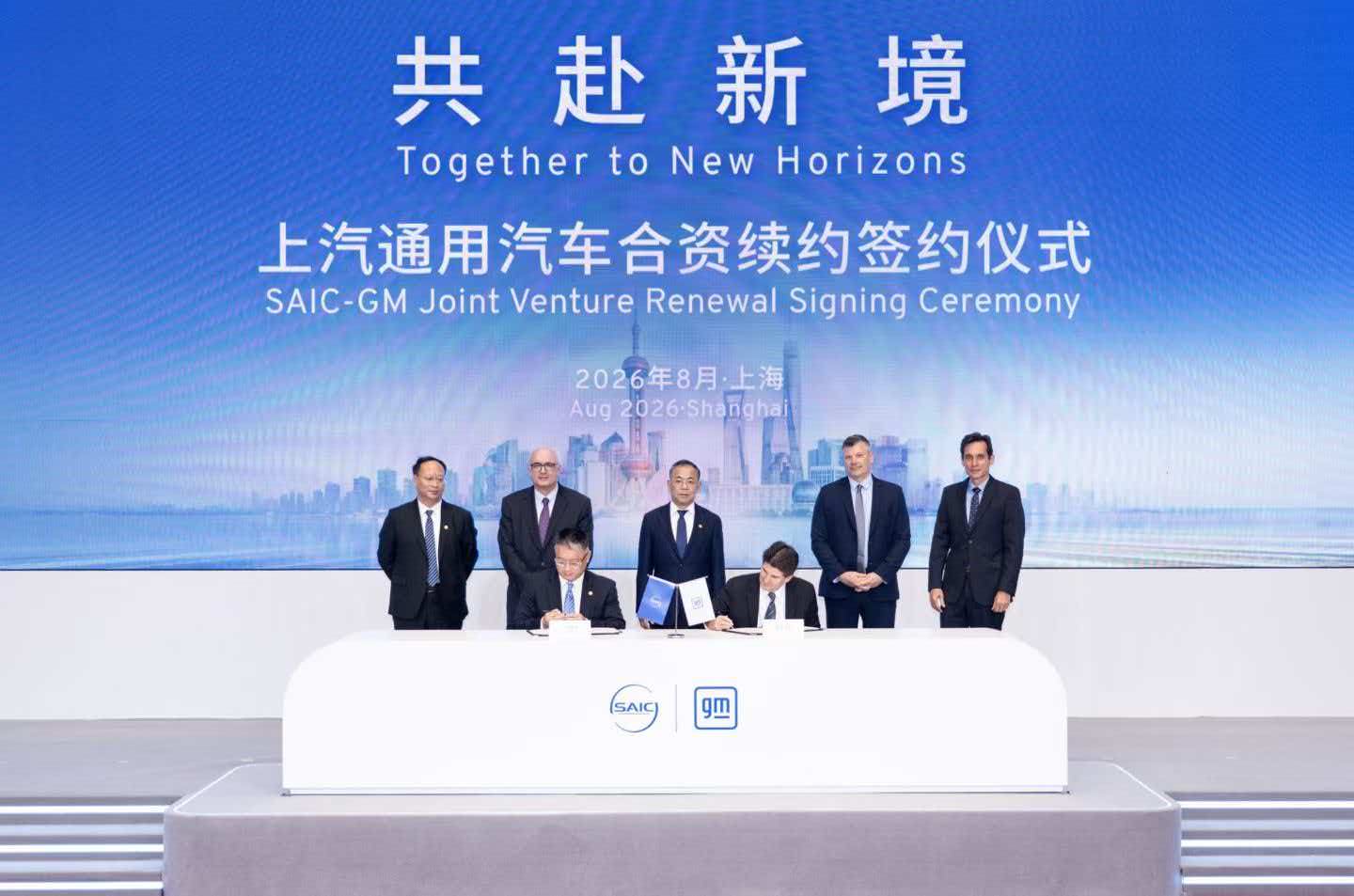
The global automotive landscape is witnessing a dual structural shift in China. As Beijing rolls out its highly anticipated unified national autonomous driving standards, legacy global giants are doubling down on localized partnerships. Most notably, SAIC Motor and General Motors (GM) have formally extended their joint venture agreement for another 20 years, securing their alliance until 2047. Together, these developments signal a transition from rapid, fragmented experimentation to a mature, highly standardized regulatory environment.
Unifying the Rules: China's National Autonomous Driving Standards
For years, autonomous vehicle (AV) developers in China operated under a patchwork of provincial and municipal pilot programs. Shanghai, Beijing, Shenzhen, and Wuhan each maintained distinct testing parameters, data collection rules, and licensing requirements. The introduction of the new national standards marks a critical turning point for the industry.
As an automotive policy analyst tracking East Asian regulatory frameworks, I view this centralization as a significant accelerant. By establishing unified benchmarks for safety, hardware redundancy, sensor performance, and vehicle-to-everything (V2X) communication, China is removing the geographic friction that previously slowed down cross-provincial testing. For global automakers, this offers a predictable regulatory roadmap, though it demands strict compliance with localized data storage and cybersecurity mandates.
Why the SAIC-GM 20-Year Renewal Matters
Amid intense competitive pressure in the Chinese domestic market, SAIC and General Motors chose to renew their joint venture until August 2047. This decision counters the prevailing Western media narrative of an imminent exit by legacy foreign brands. Instead, it highlights a deep commitment to strategic localization.
Rather than treating the Chinese market as merely a manufacturing base, GM's extension represents a long-term technology integration play. Through this collaborative vehicle, GM can leverage China's rapid digital ecosystem, sophisticated battery supply chains, and advanced driver assistance systems (ADAS) infrastructure. This strategy allows the OEM to co-develop software and hardware tailored specifically for Chinese consumer preferences while aligning with the newly minted China autonomous driving standards.
Comparing AV Regulatory Landscapes: China, the US, and the EU
To understand the strategic advantage this unified framework brings, we can compare the regulatory approaches of the world's leading automotive markets:
| Region | Regulatory Approach | Key Advantage | Primary Challenge |
|---|---|---|---|
| China | Unified National Standards (Top-Down) | Rapid nationwide deployment and standardized V2X infrastructure. | Stringent data localization and geofencing restrictions. |
| United States | State-by-State Fragmented Framework | High flexibility for private R&D and localized testing (e.g., California, Arizona). | Lack of federal cohesion creates interstate commercial barriers. |
| European Union | UNECE Regulations (Safety-First) | High safety assurance and cross-border alignment within Europe. | Rigid approvals and slower speed-to-market for advanced L3/L4. |
Strategic Implications for Western Investors
For global investors, the combination of unified regulatory standards and long-term joint venture commitments underscores two critical realities:
- Standardization Promotes Scale: A unified national standard lowers the cost of compliance for software deployment, paving the way for scale economies in robo-taxis and high-end ADAS.
- Co-opetition is Essential: Success in the Chinese EV and AV sectors requires deep local alignment. Pure-play foreign strategies face immense friction, making strategic sourcing alliances and localized JVs the most viable path forward.
Ultimately, these regulatory and structural shifts show that China's EV ecosystem is moving beyond pure cost competition into a sophisticated era of software standardization and deep cross-border technology integration.