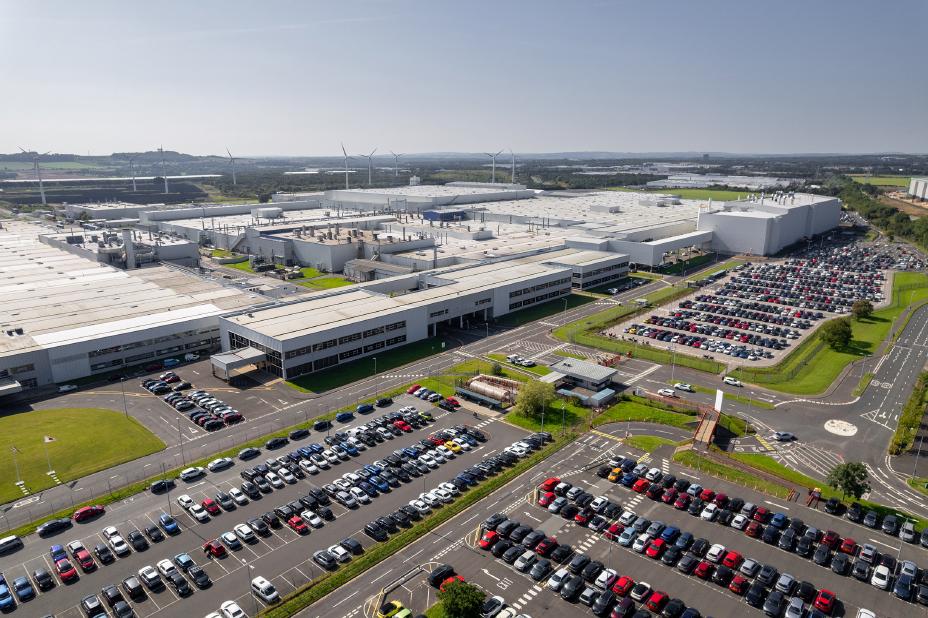
As Western nations construct increasingly defensive trade barriers against Chinese electric vehicles, smart players are shifting their strategies from direct exports to localized assembly. A prime example of this geopolitical chess game is the newly proposed Chery Nissan Sunderland factory partnership. This non-binding memorandum of understanding (MoU) represents a highly pragmatic, asset-light pivot that could redefine how Chinese OEMs enter mature European and British automotive markets.
Decoding the Chery-Nissan Sunderland Factory Partnership
According to reports from Nissan Motor Company, Chery's UK subsidiary has entered into a non-binding MoU to take over one of the two active production lines at the iconic Sunderland assembly plant. Massimiliano Messina, Nissan's regional director for Europe, characterized the potential agreement as a 'critical progress point' for their regional operations. The planned production is scheduled to kick off in the fiscal year starting April 2027.
While neither OEM has officially disclosed the specific models earmarked for the Sunderland line, industrial analysts widely agree that Chery will focus on right-hand drive (RHD) SUVs and EVs tailored directly for the UK market. The UK's Unite union has already expressed optimistic anticipation, viewing the move as a major stabilizer for local automotive manufacturing jobs.
Why the Asset-Light Lease Strategy is a Game-Changer
As an industry analyst tracking Chinese OEMs, this development signals a highly calculated evolution in market-entry tactics. Building a greenfield automotive manufacturing plant in Europe or the UK typically costs upwards of $1 billion and takes 3 to 5 years to clear regulatory, environmental, and construction hurdles. By partnering with Nissan to lease existing capacity, Chery achieves several critical wins:
- Bypassing Tariffs: Vehicles assembled inside the UK bypass local import duties and offer a cleaner path for tariff-free trade to European markets under existing post-Brexit rules, provided local sourcing requirements are met.
- Reduced CapEx: Leasing a functional line from a legacy OEM cuts capital expenditure by hundreds of millions of dollars.
- Speed to Market: Launching production by 2027 would be virtually impossible starting from a blank sheet of paper.
The Strategic Motivations for Nissan
For Nissan, sharing its Sunderland crown jewel with a formidable Chinese competitor might seem counterintuitive at first glance. However, legacy OEMs are facing severe utilization pressures. Operating a giant automotive plant at sub-optimal capacity is highly unprofitable. Leasing an underutilized line to Chery generates immediate rental revenue, optimizes plant overhead, and helps retain skilled labor, turning a financial liability into a strategic cash flow asset.
| Strategic Dimension | Chery's Benefit | Nissan's Benefit |
|---|---|---|
| Capacity Utilization | Gains immediate, high-quality production lines without construction delays. | Monetizes idle capacity on one of its two Sunderland assembly lines. |
| Tariff Mitigation | Secures a 'Made in the UK' stamp to avoid protectionist tariffs. | Maintains local ecosystem strength and political goodwill with UK unions. |
| Capital Efficiency | Preserves cash by opting for an asset-light lease over a greenfield build. | Generates steady lease revenue to offset fixed operating costs. |
What This Means for Western Investors and Competitors
The Chery-Nissan agreement serves as a warning shot to Western OEMs who assumed trade barriers would permanently slow the expansion of Chinese automakers. Chinese brands are proving highly adaptable, leveraging local alliances to gain footprints inside protectionist borders. If this asset-light lease model proves successful, expect other Chinese giants like BYD, Great Wall Motor, or Geely to seek similar joint-venture or assembly-leasing agreements with struggling European legacy plants. Investors should watch this space closely: the battle for the European EV market is moving from import terminals to local factory floors.