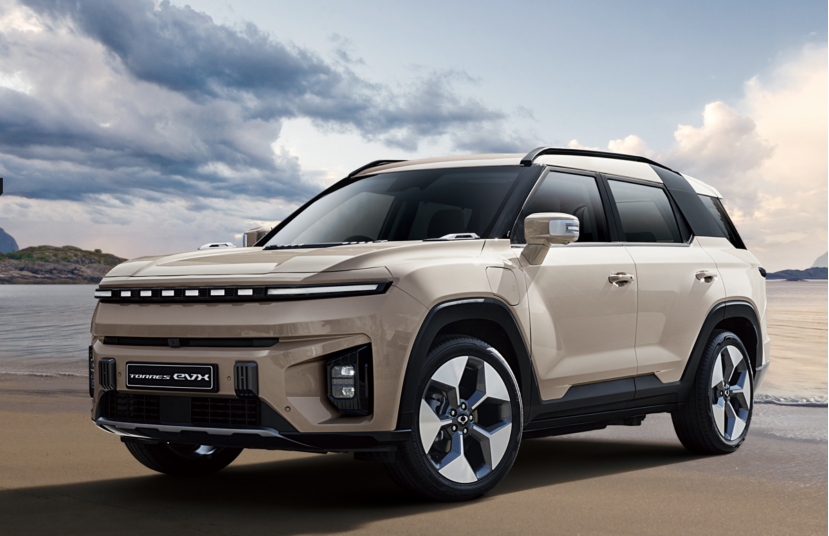
As the global automotive industry navigates a rapidly shifting regulatory landscape, the news of Chinese automaker Chery investing $75 million in South Korean automaker KG Mobility (formerly SsangYong Motor) marks a significant milestone. This strategic Chery KG Mobility partnership highlights a broader trend: global automotive majors are actively seeking localized regional footprints to build resilient, compliant global supply chains.
The Strategic Rationale Behind the Chery KG Mobility Partnership
For Chery, this partnership is not merely a financial transaction. Sourcing and manufacturing alignment in South Korea provides a highly strategic gateway to mature Western markets, including the United States and the European Union. South Korea maintains comprehensive Free Trade Agreements (FTAs) with these regions, making it an ideal hub for cross-border collaboration and supply chain compliance.
Rather than looking at this as a temporary workaround, industry analysts view this as a long-term play in trade adaptability. By establishing a presence in South Korea, Chery can integrate its advanced EV platforms and battery technologies with a localized, globally recognized manufacturing partner, ensuring access to global markets while adhering strictly to regional sourcing regulations.
Deep Tech Integration: Platforms and Powertrains
KG Mobility has been actively looking to accelerate its transition toward electrification. By securing Chery's technological backing and capital, KGM can modernize its lineup with proven, high-efficiency platforms. Chery’s expertise in plug-in hybrid (PHEV) systems and battery electric vehicle (BEV) architectures offers a turnkey solution for the South Korean automaker.
- Accelerated Time-to-Market: KG Mobility can leverage Chery's mature modular platforms, reducing R&D cycles significantly.
- Battery Supply Chain Resilience: The collaboration allows for strategic sourcing of battery cells that align with international regulatory standards.
- Market Diversification: KGM gains a competitive edge in domestic and export markets by offering high-tech, competitively priced EVs.
Comparative Analysis: Chery's Localization Playbook
This investment is part of a larger, sophisticated global playbook deployed by leading Chinese OEMs. The table below outlines how Chery's strategy compares to standard joint-venture models:
| Strategic Metric | Traditional Joint Ventures | Chery-KG Mobility Model |
|---|---|---|
| Primary Goal | Market entry and local distribution | Global trade adaptability & supply chain compliance |
| Financial Structure | Direct equity ownership | Convertible bonds (debt-to-equity option) |
| Technology Flow | Historically Western-to-Chinese | Symmetrical cross-border technology integration |
| Regulatory Alignment | Focus on local market rules | Optimized for global FTA requirements (US/EU) |
What This Means for Western Investors and Competitors
As a professional market analyst, I view this partnership as a clear signal that Chinese OEMs are shifting from direct export models to highly sophisticated, multi-national operational structures. Western OEMs and institutional investors must recognize that the 'China-speed' of innovation is no longer confined to China's domestic borders.
Rather than viewing this as a competitive threat, forward-thinking Western automakers should seek strategic sourcing alliances and technology integration opportunities. This strategy ensures mutual regional value creation, job preservation in localized hubs, and a faster path toward global decarbonization goals.