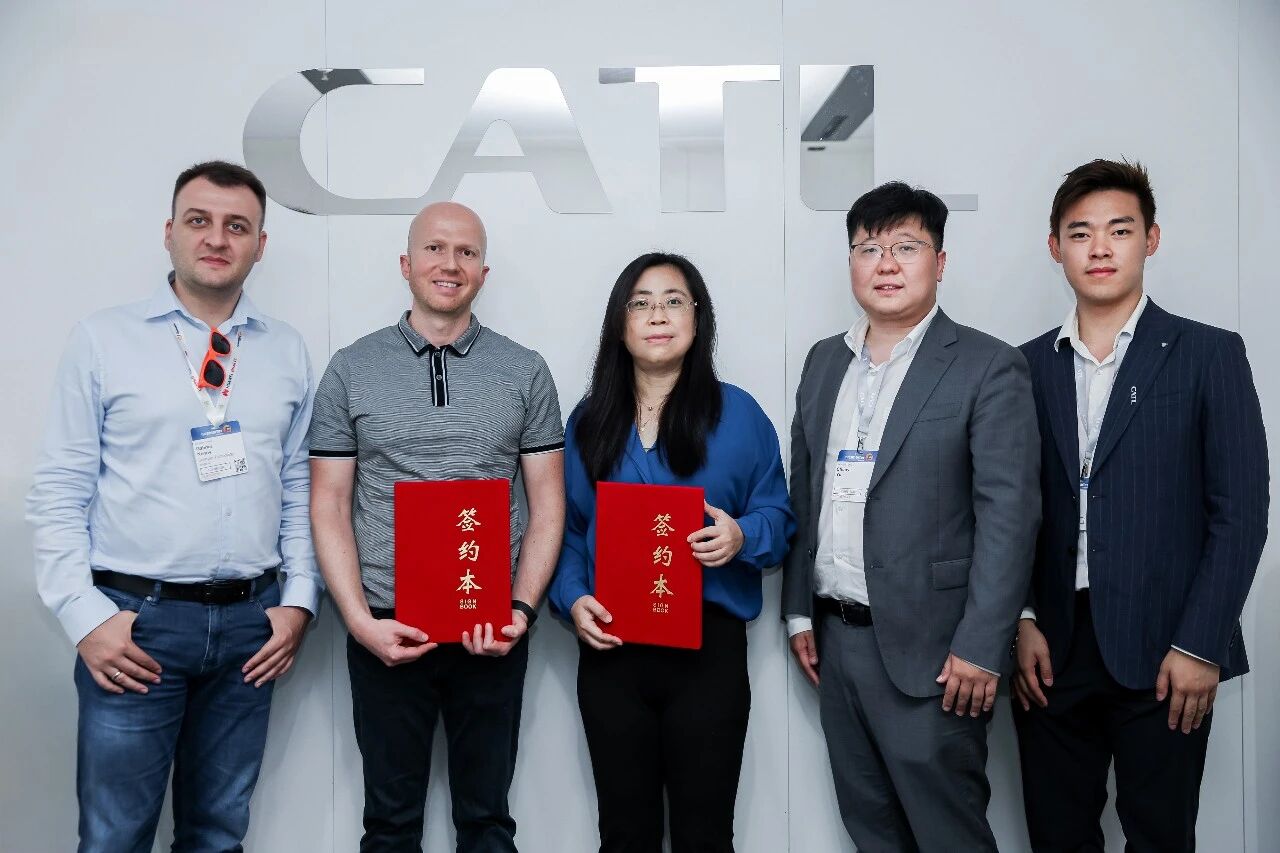
As the global energy transition accelerates, grid operators are searching for alternatives to lithium-ion batteries to balance volatile renewable generation. The recent partnership between CATL and Eastern European clean energy leader Solarpro represents a massive paradigm shift. By securing a 2GWh cooperation agreement for Tianheng sodium-ion battery energy storage systems, the two firms are establishing the first commercial gigawatt-scale footprint for sodium chemistry in Europe.
Why Sodium-Ion Battery Energy Storage Matters to Global Markets
For years, sodium-ion technology was considered a secondary chemistry—relegated to small-scale pilots or low-speed urban vehicles. However, this massive 2GWh deployment indicates that CATL (Contemporary Amperex Technology Co., Limited) has successfully scaled sodium-ion battery energy storage to compete directly with lithium-iron phosphate (LFP) in stationary energy markets.
The Strategic Alliance with Solarpro
Solarpro, a major European developer of solar and BESS systems, is targeting high-performance, low-cost alternatives to secure regional grid networks. Through this strategic collaboration, Europe takes a major step forward in building a localized regional footprint of diverse battery chemistries, boosting supply chain adaptability against volatile lithium prices.
Comparing Sodium-Ion and Lithium-Ion in Utility-Scale BESS
To understand why utility developers are turning to sodium-ion battery energy storage, we must compare the technical and economic trade-offs:
| Metric | Sodium-ion (Na-ion) | Lithium-ion (LFP) |
|---|---|---|
| Raw Material Abundance | Extremely High (Sodium) | Limited (Lithium Carbonate) |
| Low-Temperature Performance | Excellent (retains up to 90% capacity at -20°C) | Degrades significantly in sub-zero climates |
| Cycle Life | 3,000 - 6,000 cycles | 6,000 - 10,000+ cycles |
| Safety Profile | High (lower thermal runaway risk) | Moderate (higher thermal runaway risk) |
Geopolitical and Technical Implications for Western Investors
From an analyst perspective, this deal signals two structural trends:
- Lithium Independence: Utility developers can now hedge against lithium supply bottlenecks, securing reliable storage solutions independent of traditional raw material constraints.
- Grid-Scale Decarbonization Partnerships: This agreement serves as a template for Western project developers aiming to deploy next-generation storage technologies while maintaining strict supply chain compliance.
Addressing Technical Hurdles
While sodium-ion energy density is lower than lithium-ion, stationary energy storage projects prioritizes safety, thermal stability, and operational cost over weight. CATL's Tianheng system integrates advanced safety and thermal management systems that make sodium-ion a highly viable, long-duration alternative for global grids.