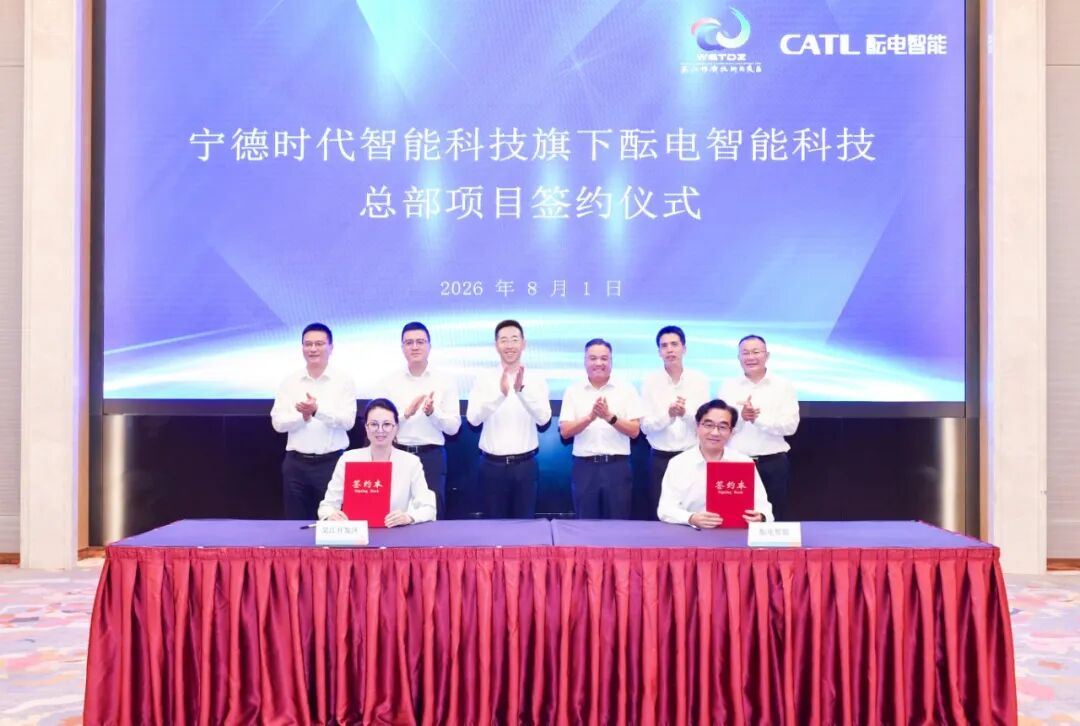
On August 1, CATL, a leading Chinese battery manufacturer, announced the establishment of its new intelligent technology headquarters in Suzhou, Jiangsu Province. The project, with a total investment of 450 million yuan (approximately $65 million), is set to significantly enhance CATL's R&D and production capabilities.
Key Details of the Expansion
The new headquarters, located in the Wujiang District of Suzhou, is part of a broader initiative by CATL to strengthen its position in the rapidly growing electric vehicle (EV) market. This move is expected to drive innovation and efficiency in battery technology, which is crucial for the global transition to sustainable transportation.
Strategic Implications
- Enhanced R&D Capabilities: The new facility will focus on advanced research and development, enabling CATL to stay at the forefront of battery technology.
- Production Efficiency: Increased production capacity and improved manufacturing processes will help meet the rising demand for high-quality batteries.
- Supply Chain Consolidation: The expansion in Suzhou will likely lead to better integration and coordination within CATL's supply chain, reducing costs and improving delivery times.
Global Impact on the EV Market
As one of the world's largest battery manufacturers, CATL's expansion in Suzhou is expected to have a significant impact on the global EV market. The enhanced R&D and production capabilities will not only benefit CATL but also contribute to the overall growth and competitiveness of the EV industry.
Industry Reactions
Industry experts and analysts are closely watching this development, as it could signal a shift in the global EV battery landscape. The move is seen as a strategic pivot by CATL to solidify its leadership in the battery sector and to better serve the needs of both domestic and international markets.
Conclusion
CATL's new intelligent technology headquarters in Suzhou represents a significant step forward in the company's strategic vision. By investing in advanced R&D and production, CATL is positioning itself to play a pivotal role in the future of the EV market. This move is expected to drive innovation, improve supply chain efficiency, and ultimately contribute to the global transition to sustainable transportation.