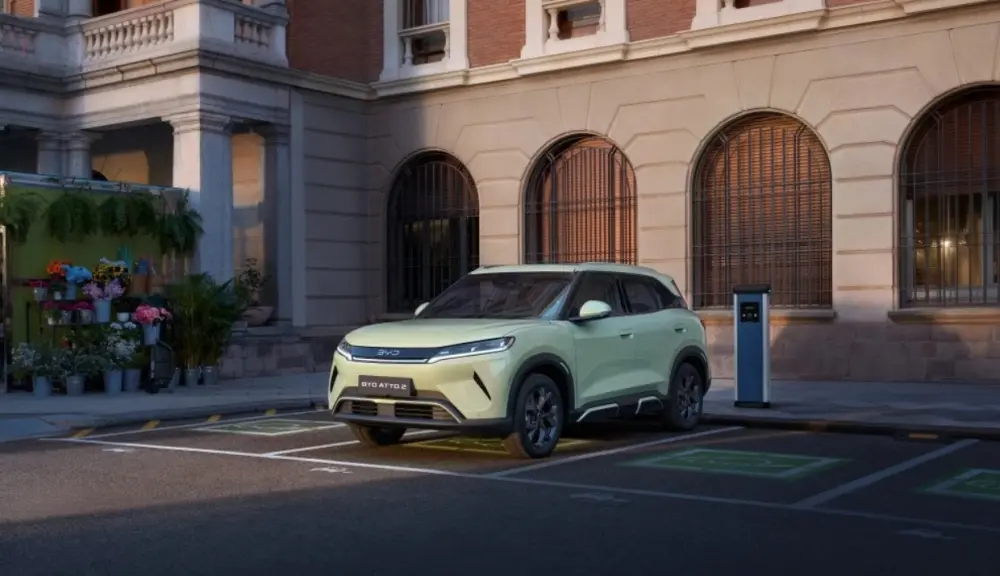
The global electric vehicle landscape is witnessing a structural power shift. As we enter the second quarter, all eyes are on whether BYD global BEV sales will once again eclipse Tesla's numbers, reclaiming the crown of the world's top pure electric vehicle manufacturer. This is not merely a cyclical fluctuation; it is a testament to China's vertically integrated supply chains and rapid technological iteration.
The Battle of the Titans: BYD's Global BEV Sales Momentum
Historically, Tesla has held an undisputed monopoly on the premium global BEV narrative. However, the dynamics shifted dramatically when BYD briefly overtook Tesla in Q4 2023. As we analyze the market trajectory, the gap has narrowed to a razor-thin margin, with indicators pointing to a sustained structural takeover by BYD in upcoming quarters.
While Tesla grapples with an aging vehicle lineup (principally the Model 3 and Model Y) and prolonged timelines for its next-generation low-cost platform, BYD has unleashed a relentless barrage of new models. Operating at 'China-speed', BYD continuously refreshes its lineup with upgraded platforms, such as the e-Platform 3.0 Evo, and integrates advanced ADAS systems at price points Western OEMs simply cannot match.
Why BYD is Outpacing Tesla: Three Core Structural Advantages
1. Complete Vertical Integration
Unlike Western competitors who rely on fragmented tier-1 supplier networks, BYD operates as an almost entirely self-sufficient entity. From mining lithium to manufacturing its highly acclaimed LFP Blade Batteries, BYD's vertical integration insulates it from supply chain shocks and yields unmatched margin resilience.
2. Aggressive Multi-Segment Portfolio Strategy
Tesla has focused on a highly concentrated product lineup. BYD, conversely, covers the entire spectrum. Whether it is the ultra-affordable BYD Seagull (now dominating global emerging markets) or the ultra-luxury Yangwang U8 SUV, BYD captures diverse demographics while leveraging massive economies of scale.
3. The Global Export Pivot
Facing intense domestic price wars, BYD has strategically pivoted toward international markets. By establishing manufacturing hubs in Hungary, Brazil, Thailand, and Uzbekistan, BYD is effectively bypassing high tariff barriers and embedding itself directly into regional supply chains.
Comparative Analysis: Tesla vs. BYD
The following table outlines the key operational differences driving the current sales divergence:
| Metric / Strategy | Tesla | BYD |
|---|---|---|
| Primary Battery Chemistry | NCA/NMC (Premium), Outsourced LFP | In-house LFP (Blade Battery) |
| Product Cycle Speed | Slow (3-5 years per major refresh) | Rapid (Annual updates, high-frequency launches) |
| Pricing Range | Premium to Mid-Market ($35k - $100k+) | Entry to Luxury ($10k - $150k+) |
| ADAS Integration | FSD (Vision-only approach) | DiPilot (Multi-sensor LiDAR/Vision collaboration) |
What This Means for Western Investors and OEMs
As market analysts, we must look beyond raw unit volumes. The divergence in growth trajectories indicates a fundamental shift in how global automotive 'Alpha' is generated. For Western OEMs, the rapid expansion of BYD's global footprint is a wake-up call. The 'China-speed' of execution means that relying on brand equity alone is no longer a viable defensive moat.
Western institutional investors should recognize that the Chinese EV ecosystem is no longer about cheap clones or copycats. It is an industry characterized by genuine engineering innovation and unparalleled manufacturing efficiency. Achieving portfolio outperformance in the automotive sector now requires direct exposure to these highly integrated supply chain champions.