As the global automotive industry races toward Level 3 and Level 4 autonomy, the limitations of current hardware under adverse environmental conditions remain a critical bottleneck. Achieving reliable, real-time perception requires continuous innovation in autonomous vehicle sensor technology. A recent pioneering development from the University of California, Los Angeles (UCLA) and the University of Rochester introduces a novel imaging system framework that promises to significantly enhance optical sensing precision, potentially solving some of the most persistent edge-case challenges faced by autonomous platforms worldwide.
The Science Behind the UCLA & Rochester Optical Innovation
The core challenge of current optical sensors—including LiDAR and high-resolution cameras—is signal degradation caused by atmospheric scattering (such as fog, dust, or rain) and ambient noise. When light particles bounce off environmental obstructions, sensor receivers struggle to reconstruct a clean 3D map of the vehicle\'s surroundings.
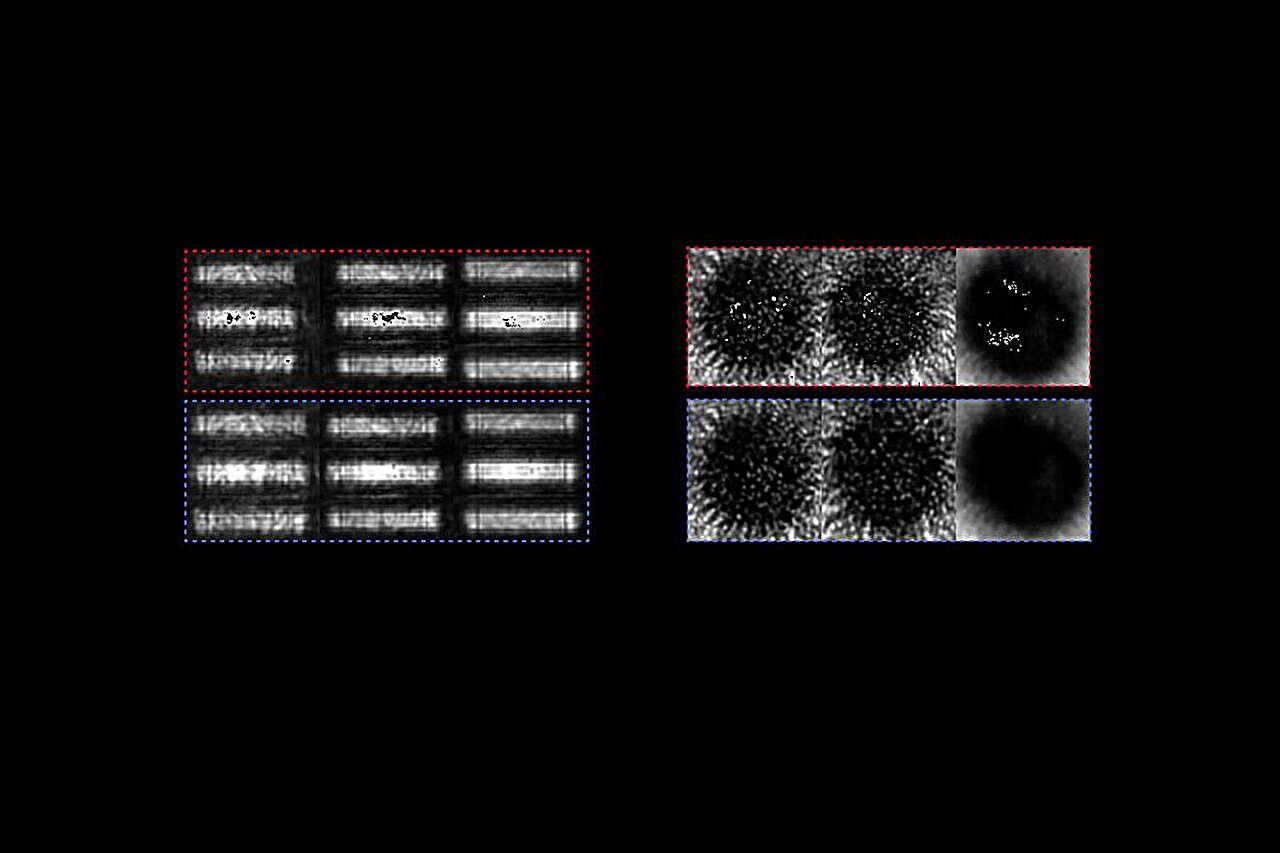
The newly proposed computational imaging framework optimizes how light signals are filtered and processed at the hardware level. By leveraging advanced phase-retrieval algorithms and optimized spatial light modulators, the system achieves unprecedented resolution and contrast even in highly scattering media. For autonomous vehicle sensor technology, this means a massive leap forward in detecting low-reflectivity objects (like dark clothing or non-metal road debris) at greater distances.
How This Impacts the Global ADAS and LiDAR Arms Race
This academic breakthrough arrives at a volatile moment in the global ADAS supply chain. While Western OEMs like Tesla heavily champion pure-vision (camera-only) approaches, prominent Chinese EV makers such as NIO, Li Auto, and Xiaomi favor hybrid architectures utilizing solid-state LiDAR. Both methodologies, however, stand to benefit from this new imaging methodology.
The integration of advanced optical processing technologies can optimize existing sensor architectures across multiple fronts:
| Sensor Type | Current Limitation | UCLA/Rochester Tech Impact |
|---|---|---|
| LiDAR | High cost; signal absorption in heavy rain/fog. | Enhanced photon efficiency; longer detection range in bad weather. |
| CMOS Cameras | Overexposure from oncoming headlights; blind spots in tunnels. | Improved dynamic range through advanced computational phase-filtering. |
| Infrared/Thermal | Lower resolution compared to visible-light systems. | Algorithmic resolution enhancement for superior nighttime object classification. |
Strategic Implications for Western Investors and OEMs
For strategic planners and technology analysts, the translation of university research into commercial automotive hardware represents a major investment opportunity. Rather than relying solely on incremental improvements in laser power or pixel density, the industry is shifting toward smart, algorithmically enhanced optical front-ends.
This cross-border technological evolution highlights the ongoing value of strategic sourcing alliances and global research partnerships. As Western tier-1 suppliers look to deliver highly competitive, cost-effective ADAS packages to global automakers, integrating high-performance computational imaging designs will be vital to keeping pace with the rapid execution cycles seen in the East Asian EV hubs.