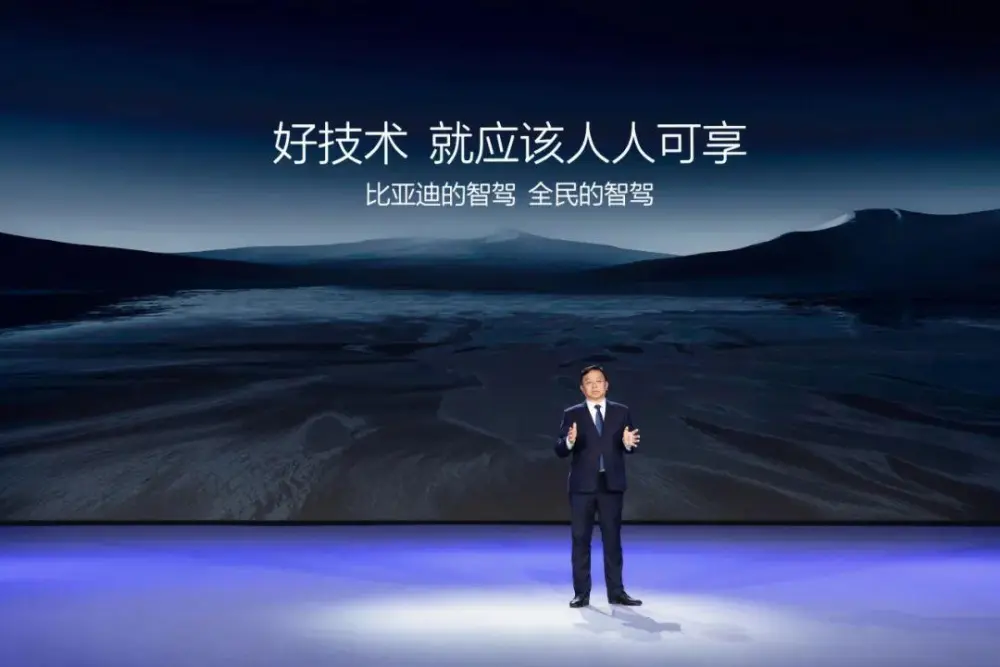
In the rapidly evolving landscape of the Chinese EV market, the term 'autonomous driving equality' has become a buzzword at every new vehicle launch. However, the reality is far from the rhetoric. This article delves into the current state of advanced autonomous driving technology and its accessibility, providing critical insights for global investors and industry professionals.
The Current State of Autonomous Driving in China
Autonomous driving, or Advanced Driver Assistance Systems (ADAS), is a key differentiator in the EV market. Despite the claims of 'equality,' the deployment of these technologies is still highly segmented. High-end models from companies like NIO and XPeng are leading the charge, but mid-range and budget vehicles often lack these advanced features.
Technological Barriers
One of the primary reasons for this disparity is the technological complexity and cost. High-level ADAS requires sophisticated sensors, powerful computing, and robust software, which are expensive to develop and integrate. As a result, only premium models can afford to include these features, leaving a significant gap in the market.
Regulatory and Infrastructure Challenges
Another barrier is the regulatory environment. China's regulations for autonomous driving are still evolving, and there are varying levels of support across different regions. Additionally, the necessary infrastructure, such as V2X (Vehicle-to-Everything) communication systems, is not yet widely available, further limiting the practical application of ADAS.
Global Implications for Investors and Industry Professionals
For Western investors and auto industry professionals, understanding the true state of autonomous driving in China is crucial. The hype around 'autonomous driving equality' can be misleading, and it is important to look beyond the marketing claims to see the real progress and challenges.
Investment Opportunities
While the promise of widespread ADAS adoption is exciting, investors should focus on companies that are making tangible progress in both technology and infrastructure. Companies like NIO and XPeng, which are leading in ADAS development, are strong candidates for investment. Additionally, firms that are working on the necessary infrastructure, such as V2X systems, also present promising opportunities.
Strategic Considerations for OEMs
Western Original Equipment Manufacturers (OEMs) need to carefully consider their strategies in the Chinese market. Partnering with local tech firms and investing in research and development can help them stay competitive. It is also important to monitor regulatory changes and infrastructure developments to ensure that their products can be effectively deployed in the Chinese market.