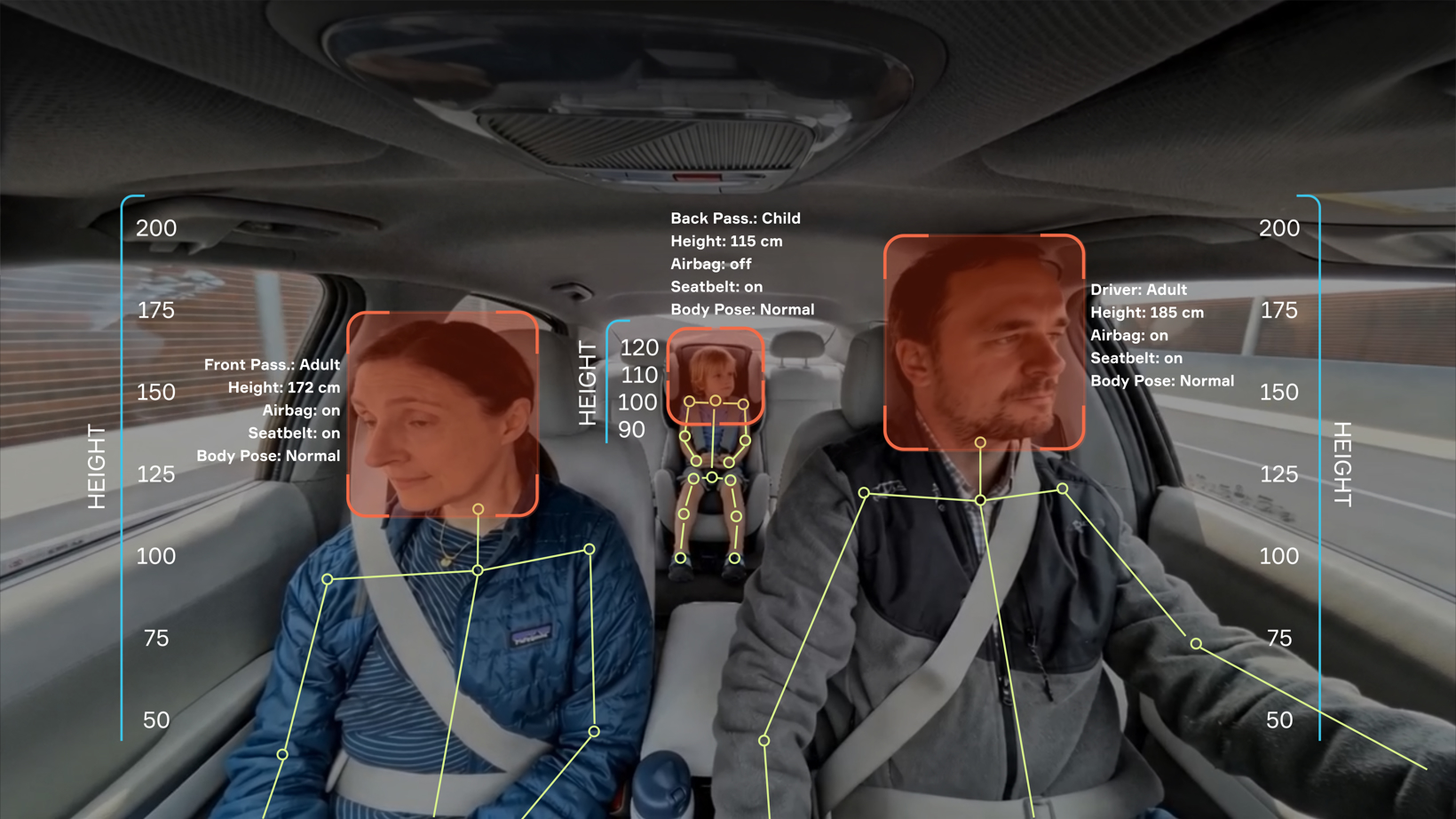
On June 9, Aptiv (NYSE: APTV) announced the launch of its Advanced Occupant Classification (AOC) system, a groundbreaking AI and computer vision solution that promises to revolutionize in-cabin safety. This system, which is the first of its kind, leverages existing in-cabin cameras to accurately classify occupants based on parameters such as height, weight, and body posture.
Key Features and Benefits
The AOC system, as an advanced AI and computer vision software solution, can precisely categorize occupants into different groups, including adults, children, infants in car seats, and inanimate objects. By doing so, it optimizes the deployment of airbags, making them more effective and safer for all passengers. This innovative approach not only improves safety but also significantly reduces the complexity and cost of the system by up to 40% compared to traditional pressure-based occupant detection methods.
Technological Advancements
Aptiv's AOC system stands out by reusing existing in-cabin cameras, which are typically used for other purposes. This reuse of hardware eliminates the need for additional sensors, thereby reducing both the cost and the complexity of the system. The system can accurately identify the type of occupant, their seating position, and even their body orientation, allowing for more precise control over airbag deployment. For example, it can prevent airbags from deploying if a child seat is detected, or adjust the deployment force and timing based on the occupant's size and position.
Comparison with Traditional Methods
Traditional occupant detection systems often rely on pressure sensors, which can be less accurate and more prone to false positives. In contrast, Aptiv's AOC system provides a more comprehensive and reliable solution. By using AI and computer vision, the system can make more informed decisions, leading to better safety outcomes and a more efficient use of resources.
Market Impact and Future Prospects
This technological breakthrough is expected to have a significant impact on the automotive industry, particularly in the realm of in-cabin safety. As more automakers adopt this system, we can expect to see a reduction in the overall cost of vehicle safety systems, making advanced safety features more accessible to a broader range of vehicles. Additionally, the enhanced safety provided by the AOC system could lead to a reduction in the number of injuries and fatalities in accidents, further solidifying its importance in the market.
Expert Commentary
As a Shanghai-based logistics professional, I can attest to the rapid pace of innovation in the Chinese EV market. Aptiv's AOC system is a prime example of how cutting-edge technology can address long-standing challenges in the automotive industry. By leveraging AI and computer vision, this system not only enhances safety but also drives down costs, making it a win-win for both manufacturers and consumers. This development underscores the importance of staying ahead of the curve in the fast-evolving world of automotive technology, especially in the context of the Chinese market.