In the highly competitive electric vehicle (EV) sector, automotive manufacturers face a relentless dual challenge: reducing vehicle curb weight to maximize battery range while simultaneously squeezing out bill-of-materials (BOM) costs. As traditional internal combustion engines give way to high-voltage electric powertrains, the weight of the electrical distribution system (EDS) has surged. Historically reliant on copper, the industry is now pivoting toward the mass adoption of aluminum automotive wiring harnesses as a primary mechanism for structural lightweighting and cost optimization.
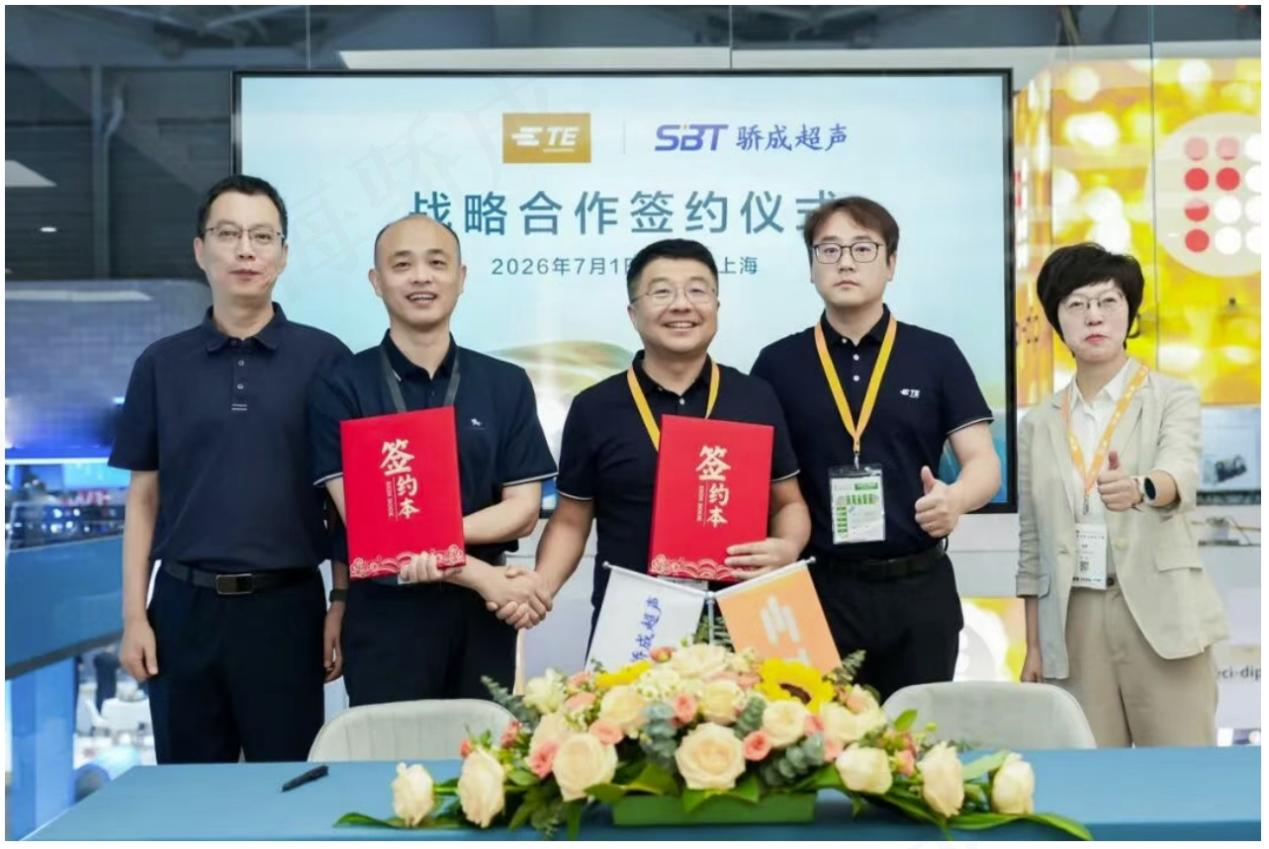
As a Tier-1 automotive supply chain strategist monitoring global EV architecture shifts, I view this partnership—announced at the Munich Electronics Show—not merely as an incremental supplier agreement, but as a crucial milestone in global EV supply chain maturity. By combining local technology innovations with global engineering distribution networks, this collaboration provides Western OEMs with a viable blueprint for reliable, high-volume material substitution.
The Technological Shift: Why 'Aluminum-for-Copper' Matters for Modern EVs
Copper has long been the gold standard for automotive wiring due to its superior electrical conductivity and ease of processing. However, it is heavy, subject to volatile commodity pricing, and represents a significant portion of an EV's non-battery weight. Transitioning to aluminum automotive wiring harnesses presents an elegant solution, but one that has historically been plagued by technical bottlenecks.
While aluminum offers excellent weight-to-conductivity efficiency, it possesses distinct physical properties that complicate traditional manufacturing processes:
- Oxidation: Aluminum rapidly forms a tough, non-conductive oxide layer (Al2O3) when exposed to air, which increases electrical contact resistance.
- Galvanic Corrosion: When aluminum comes into direct contact with copper terminals in the presence of moisture, electrochemical reactions cause rapid degradation of the joint.
- Mechanical Creep: Aluminum is more prone to deformation under constant stress compared to copper, potentially loosening crimped connections over time.
Ultrasonic Welding: The Enabler of Reliable Aluminum Connections
To overcome these metallurgical challenges, advanced Tier-1 suppliers are moving away from traditional mechanical crimping and fusion welding in favor of ultrasonic metal welding. This is where the synergy between JiaoCheng Ultrasonic and TE Connectivity becomes highly strategic.
Ultrasonic welding is a solid-state joining process. By applying high-frequency mechanical vibrations under pressure, the technology breaks down the surface oxide layers of the aluminum wire. This creates a friction-induced, molecular-level bond between the aluminum conductors and the terminal material without melting the metals. Because the process occurs below the melting point, it prevents the formation of brittle intermetallic compounds, resulting in an exceptionally stable, low-resistance electrical connection.
The collaboration between Shanghai JiaoCheng Ultrasonic—a domestic market leader in specialized welding systems—and TE Connectivity, a global giant in connectivity solutions, ensures that these advanced welding processes are perfectly calibrated to next-generation automotive terminal designs.
Economic and Physical Comparison: Copper vs. Aluminum
The strategic benefits of implementing aluminum automotive wiring harnesses are highlighted by comparing the fundamental properties of the two metals:
| Metric | Copper (Cu) Wiring | Aluminum (Al) Wiring | Engineering Impact |
|---|---|---|---|
| Density (g/cm³) | 8.96 | 2.70 | ~70% lighter material density |
| Relative Conductivity | 100% | ~61% | Requires slightly larger cross-section for identical current |
| Harness Weight Saving | Baseline | 30% to 45% reduction | Directly translates to enhanced EV driving range |
| Termination Method | Standard Crimping | Ultrasonic Welding Required | Mitigates oxide layer and ensures long-term contact stability |
Strategic Outlook for Western OEMs and Global Investors
For Western OEMs seeking to close the cost-parity gap with highly verticalized EV manufacturers, the adoption of aluminum automotive wiring harnesses is no longer optional. This cross-border technology integration demonstrates that solving complex engineering problems requires global supplier expertise.
By establishing localized regional footprints and sourcing reliable, mass-produced ultrasonic welding machinery, global Tier-1 suppliers can satisfy strict automotive validation standards (such as USCAR or LV215) while executing necessary cost-reduction roadmaps. Investors should closely monitor companies within the EV supply chain that are pioneering these specialized manufacturing technologies, as the capability to reliably weld aluminum at scale is becoming a major competitive differentiator.