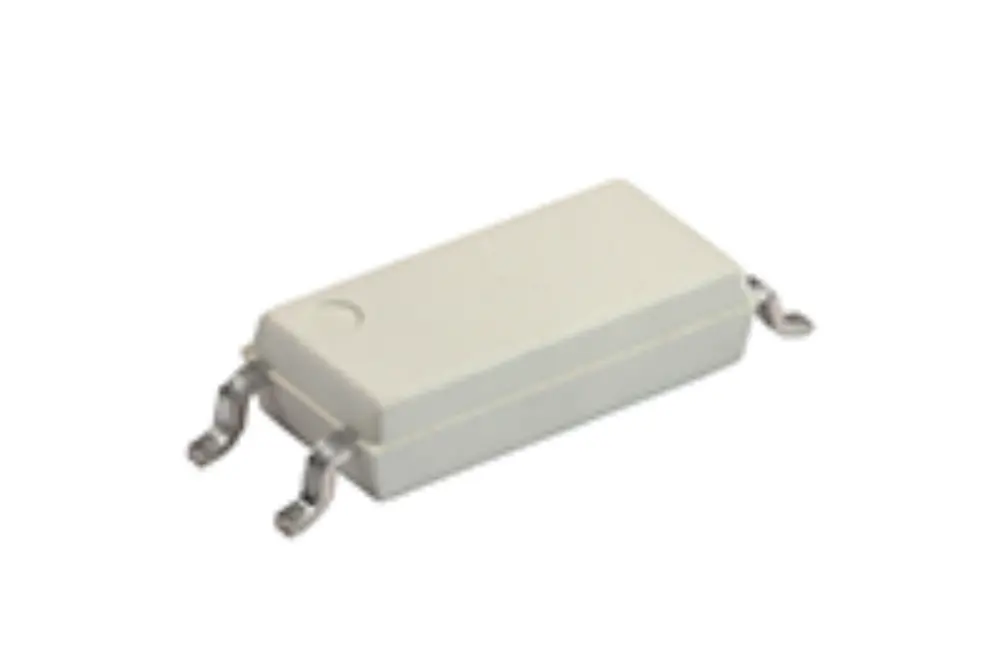
The global race to dominate the ultra-fast charging ecosystem has pushed automotive OEMs to pivot rapidly from standard 400V setups to advanced 800V electrical architectures. However, managing signal integrity and high-voltage safety in these setups presents a massive engineering hurdle. To solve this bottleneck, Vishay Intertechnology has launched a new automotive-grade 800V EV battery optocoupler designed to deliver superior electrical isolation ratings for safe signaling.
Why 800V Architectures Need Next-Gen Isolation
As 'China-speed' innovation forces the global EV industry to embrace 800V platforms for faster charging times and lighter wiring, legacy isolation components are reaching their physical limits. Operating at higher voltages introduces severe risks of transient voltage spikes, electromagnetic interference (EMI), and thermal stress.
Without robust galvanic isolation, any major fault in the high-voltage pack could instantly bypass security boundaries and destroy the vehicle's low-voltage Electronic Control Units (ECUs). This would lead to catastrophic system failures or electrical fires. This new automotive-grade optocoupler uses light-based signaling to bridge this gap, ensuring that high-voltage and low-voltage systems remain completely electrically isolated.
Deep Dive into the Vishay Automotive-Grade Optocoupler
Designed specifically to withstand the harsh environments of modern EV powertrain systems, Vishay's new component provides several crucial advantages for Battery Management Systems (BMS) and Onboard Chargers (OBC):
- AEC-Q101 Qualification: Delivers automotive-grade reliability under extreme temperatures ranging from -40°C to +125°C.
- High Isolation Voltage Rating: Engineered with safe creepage and clearance distances to reliably manage the sustained peak voltages of 800V packs.
- Compact Footprint: Allows Tier-1 suppliers to optimize board space, which is critical for increasingly dense BMS master-slave board layouts.
Comparing Isolation Requirements: 400V vs. 800V Systems
| Parameter | Legacy 400V Architecture | Next-Gen 800V Architecture |
|---|---|---|
| Typical Working Voltage | 350V - 450V | 700V - 900V |
| Required Isolation Voltage | ~2.5 kV RMS | > 5 kV RMS |
| BMS Layout Complexity | Moderate | High (Requires optimized spacing & EMI shielding) |
Strategic Implications for Western OEMs and Tier-1 Suppliers
While Chinese OEMs (such as BYD, Geely, and Xiaomi) are rapidly standardizing 800V architectures across mass-market vehicles, Western automakers have primarily reserved high-voltage systems for premium models. To bridge this gap, Western Tier-1 suppliers like Bosch, BorgWarner, and Continental must adopt highly reliable, pre-certified hardware solutions.
By integrating ready-made components like Vishay's new optocoupler, manufacturers can drastically reduce development timelines, ensure compliance with ISO 26262 functional safety standards, and confidently scale up their ultra-fast charging architectures.