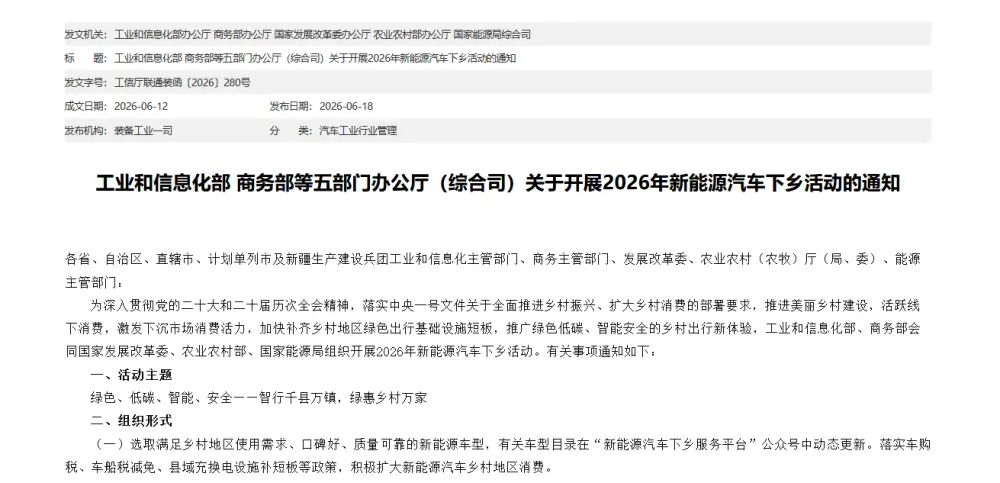
The Chinese EV market is set to see significant changes in 2026, with major players like Xiaomi, Tesla, and BMW making strategic moves. The 2026 New Energy Vehicle (NEV) rural initiative includes 155 models from these and other manufacturers, while BMW has announced it will halt production of its domestically produced electric vehicles.
Key Developments in the 2026 Rural NEV Initiative
The 2026 rural NEV initiative, launched by the Ministry of Industry and Information Technology and the Ministry of Commerce, aims to promote the adoption of electric vehicles in rural areas. This initiative includes 155 models from various manufacturers, including Xiaomi and Tesla. The move is expected to boost sales and expand the reach of EVs in less urbanized regions.
Participating Models and Manufacturers
- Xiaomi: Several new models, including the Mi EV Pro and Mi EV Max
- Tesla: Model 3 and Model Y, as well as the upcoming Cybertruck
- Other manufacturers: BYD, NIO, and more
BMW's Decision to Halt Domestic EV Production
In a surprising move, BMW has announced that it will stop producing its domestically manufactured electric vehicles in China. This decision comes as the company reevaluates its global strategy and focuses on higher-margin markets. The move is expected to impact the local supply chain and may lead to a shift in consumer preferences.
Potential Implications
- Impact on local suppliers and employment
- Shift in consumer preferences towards other brands
- Potential increase in imports of BMW EVs
Strategic Implications for Western Investors and OEMs
These developments highlight the dynamic nature of the Chinese EV market and the importance of staying informed about the latest trends and strategies. For Western investors and OEMs, understanding these shifts is crucial for making informed decisions and maintaining a competitive edge.
Why This Matters
- Early signal detection in the EV space
- Data-driven analysis for investment decisions
- Insights into competitive benchmarking and regulatory shifts